
Art
Charley Harper Artist: Life, Style, Wildlife Art, and Legacy in 2026

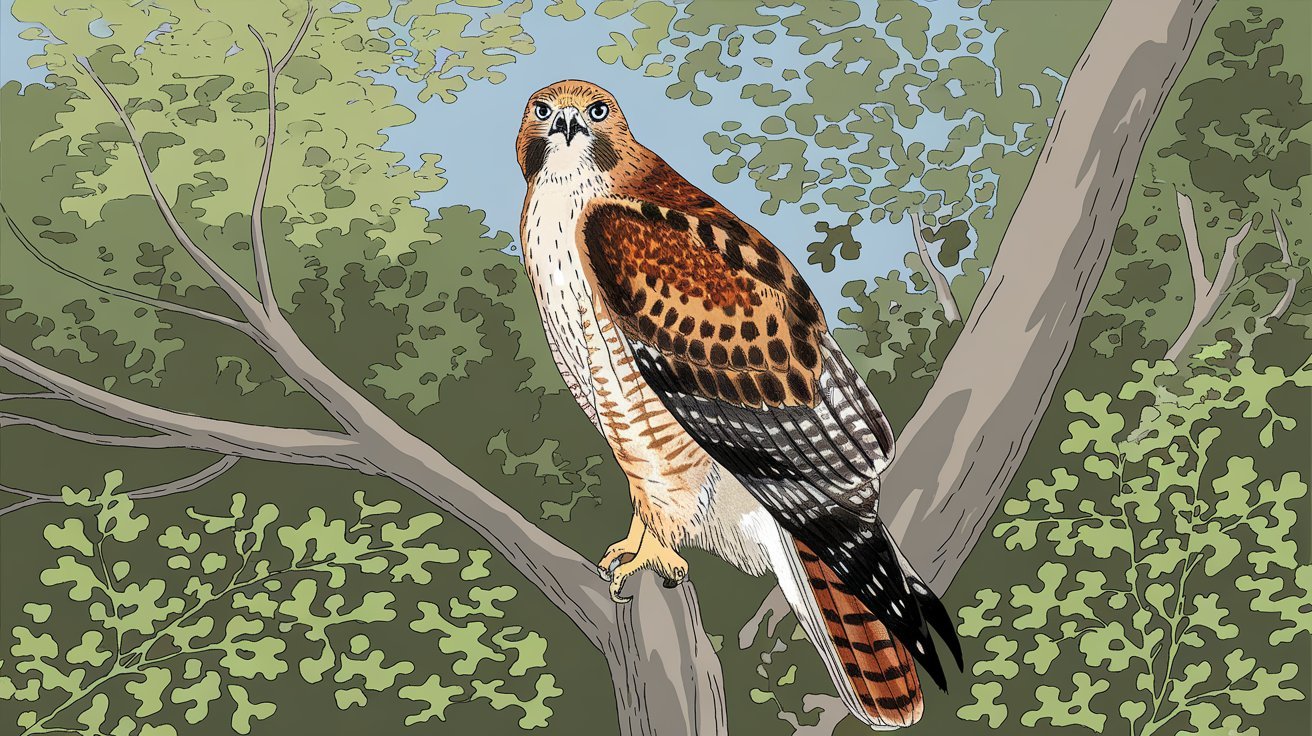
Charley Harper Artist was an American Modernist artist whose distinctive wildlife illustrations transformed the way many people see birds, insects, mammals, and the natural world. Born in 1922 in West Virginia and based for much of his professional life in Cincinnati, Ohio, Harper developed an instantly recognizable visual language built from geometric shapes, strong colors, simplified forms, humor, and careful observation. He called his approach “minimal realism,” a style that reduced animals to their essential visual characteristics without losing their personality.
Although Harper died in 2007, his work remains highly visible in museums, books, posters, prints, murals, and design objects. His importance extends beyond illustration because he used his art to communicate an enduring appreciation for wildlife and environmental conservation. In 2026, his legacy is receiving renewed attention through the Cincinnati Art Museum’s first full-scale exhibition devoted to his work, making this an especially significant year for people discovering the Charley Harper artist for the first time.
Who Was Charley Harper?
Charley Harper, whose birth name was Charles Burton Harper, was born on August 4, 1922, in Frenchton, West Virginia. He grew up on a farm, an experience that strongly influenced his lifelong fascination with animals and the natural environment. According to the National Park Service, Harper’s early interest in drawing helped him understand the world around him, and his rural upbringing remained an important influence throughout his artistic career.
Harper studied at West Virginia Wesleyan College before moving toward formal art education. He attended the Art Academy of Cincinnati and later studied at the Art Students League in New York. He graduated from the Art Academy of Cincinnati in 1947 and eventually became an instructor there as well. His career developed across illustration, painting, graphic design, posters, books, and conservation-related projects.
His personal and professional life was also closely connected with artist Edie Harper, whom he married in 1947. Together, they became an important part of Cincinnati’s artistic community.
What Makes Charley Harper’s Art So Distinctive?
The most recognizable feature of Charley Harper’s art is its combination of simplicity and visual intelligence. Rather than attempting to reproduce every feather, strand of fur, or anatomical detail, Harper simplified animals into circles, triangles, lines, curves, blocks of color, and carefully arranged shapes.
Harper called this philosophy minimal realism. The goal was not simply to make an animal look simple. Instead, he attempted to communicate the essential character of the subject using as few visual elements as possible. The Cincinnati Art Museum describes his work as deceptively simple, reducing nature to essential characteristics through elegant, witty, vividly colored imagery.
This approach explains why a Harper bird can be immediately recognizable even when it contains only a handful of shapes. His compositions often feel flat rather than traditionally three-dimensional. The Cincinnati Art Museum has described Harper as someone who “designed flat rather than round,” emphasizing the flat picture plane that became central to his visual language.
The result is artwork that feels simultaneously modern, playful, decorative, informative, and connected to nature.
Charley Harper and Wildlife Art
Wildlife was at the center of Harper’s career. Birds were especially important, but his subjects included mammals, insects, reptiles, fish, plants, and entire ecosystems. His work appeared in books, magazines, posters, murals, and projects for organizations concerned with nature and conservation.
His work for Ford Times helped establish his reputation as a commercial illustrator. The magazine focused on automobile travel in the United States, and Harper produced illustrations depicting landscapes, landmarks, wildlife, and travel subjects. The Cincinnati Art Museum notes that Harper’s illustrations for Ford Times included both American landscapes and the wildlife imagery for which he later became famous.
Harper’s illustrations also appeared in important educational and nature-related publications, including The Golden Book of Biology. His work eventually became associated with organizations such as the Cincinnati Zoo, Audubon-related institutions, conservation groups, and the National Park Service.
His wildlife images were therefore more than decorative pictures. They helped introduce people to animals and environmental subjects through a visual language that was accessible to children and adults alike.
Charley Harper and Conservation
One of the most important aspects of Harper’s legacy is the relationship between art and environmental conservation. Harper was deeply interested in wildlife protection, and his artistic work frequently supported organizations concerned with nature.
The National Park Service identifies Harper as a major visual spokesperson for conservation causes. During the 1970s and 1980s, he created 10 paintings for a National Park Service poster series through the Harpers Ferry Center. Those works contributed to the graphic identity associated with America’s national parks.
Harper also worked with organizations including the Cincinnati Zoo, Wilderness Society, Hawk Mountain Sanctuary, New Jersey Audubon Society’s Cape May Bird Observatory, and Cornell Lab of Ornithology, among others.
His approach to conservation was distinctive because it often combined humor and visual simplicity with serious environmental concerns. Cincinnati Museum Center notes that Harper believed humor could help encourage changes in attitudes toward environmental issues.
This combination of beauty, wit, and ecological awareness continues to give his work relevance.
Famous Charley Harper Works and Subjects
Harper produced an enormous body of work across several formats, including paintings, gouaches, collages, screen prints, illustrations, posters, and murals. His subjects frequently included birds and other wildlife presented through geometric compositions and vivid color.
Among the works associated with his broader career are pieces created for national parks, conservation organizations, educational publications, and nature institutions. His 1953 Mammoth Cave, for example, was created for Ford Times and demonstrates his ability to combine an American landscape with a playful, graphic approach.
Harper’s work also extended into public art. Cincinnati Museum Center notes that several of his tile mosaics were created in the Cincinnati area, including Space for All Species and Web of Life. The geometric nature of his minimal-realism style translated particularly well into mosaic form.
His visual language has also appeared on everyday objects such as postcards, calendars, fabrics, puzzles, notecards, and other merchandise, demonstrating how successfully his art crossed the boundary between fine art, illustration, graphic design, and popular culture.
Why Charley Harper Matters in 2026
Interest in Charley Harper artist is particularly notable in 2026 because the Cincinnati Art Museum is presenting The Art of Charley Harper: Creatures Wild and Tame from October 16, 2026, through March 7, 2027. The exhibition is the museum’s first full-scale scholarly exhibition of Harper’s work and covers his entire career.
The exhibition is expected to feature more than 140 works, including drawings, gouaches, collages, screen prints, paintings, and posters. It also brings attention to the original National Park Service paintings Harper created during his career.
This exhibition is significant because earlier Cincinnati Art Museum exhibitions focused on narrower periods of Harper’s career. The 2026 exhibition instead examines his work more comprehensively, offering an opportunity to understand how his style, subjects, techniques, and conservation interests developed over time.
His continued relevance also comes from the simplicity of his visual language. In an era filled with complex digital imagery, Harper’s ability to communicate an animal’s identity with a few carefully chosen shapes remains remarkably effective.
Frequently Asked Questions About Charley Harper
Who was Charley Harper?
Charley Harper was an American Modernist artist, illustrator, designer, painter, and nature advocate known especially for his geometric wildlife artwork and his self-described style of minimal realism. He was born in 1922 and died in 2007.
What is Charley Harper famous for?
He is best known for stylized wildlife illustrations, paintings, prints, posters, and book illustrations featuring birds, animals, and nature in simplified geometric forms.
What does “minimal realism” mean?
Minimal realism was Harper’s term for his approach to depicting nature with the fewest necessary visual elements. Instead of reproducing every detail, he used shapes, colors, lines, and patterns to communicate the essential characteristics of an animal.
Was Charley Harper a conservationist?
Yes. Harper’s career was closely connected with wildlife conservation and environmental organizations. He created work for the National Park Service and numerous nature-focused organizations.
Where was Charley Harper from?
Harper was born in Frenchton, West Virginia, and later became strongly associated with Cincinnati, Ohio, where he studied, taught, worked, and built his career.
Is Charley Harper’s work still exhibited today?
Yes. In 2026–2027, the Cincinnati Art Museum is presenting The Art of Charley Harper: Creatures Wild and Tame, featuring more than 140 works and examining his career and conservation legacy.
Conclusion
Charley Harper created a unique place for himself in American Modernist art by showing wildlife through a language of geometric shapes, vivid colors, humor, and minimal detail. His self-described minimal realism did not make nature less interesting; instead, it encouraged viewers to notice essential forms, patterns, movement, behavior, and personality.
From his West Virginia childhood and Cincinnati education to his illustrations for Ford Times, conservation posters, educational publications, and National Park Service commissions, Harper built a career that connected art, nature, design, and environmental awareness.
His influence remains visible in 2026, when the Cincinnati Art Museum’s major retrospective brings together a broad selection of his work and places his artistic and conservation legacy into a larger historical context. For anyone interested in wildlife art, mid-century modern design, illustration, environmental art, or American Modernism, Charley Harper remains an important artist whose deceptively simple images continue to invite closer looking and appreciation.

The world of art continues to evolve, with more creators, students, hobbyists, and professionals turning to online stores for quality materials and creative inspiration. ArtsUSShop.com represents the growing demand for convenient access to art supplies, craft materials, and creative tools that support every artistic journey. Whether you’re a beginner exploring painting for the first time or an experienced artist expanding your collection, choosing the right online art store can make a significant difference.
In 2026, artists expect more than just a product catalog. They look for reliable product information, competitive pricing, secure shopping, creative ideas, and a smooth buying experience. This guide explores the potential value of ArtsUSShop.com, highlights essential art supplies, discusses current creative trends, and shares practical tips for selecting quality materials online.
What Is ArtsUSShop.com?
ArtsUSShop.com is associated with the concept of an online destination for art supplies, creative materials, and DIY crafting essentials. A modern art store serves a wide audience, including students, educators, hobbyists, designers, illustrators, and professional artists.
A comprehensive online art marketplace typically features:
- Painting supplies
- Drawing materials
- Sketchbooks and paper
- Canvas products
- Brushes and tools
- Craft accessories
- Calligraphy equipment
- Digital art accessories
- Sculpting materials
- DIY project supplies
A well-organized platform makes it easier to compare products, explore new techniques, and find everything needed for creative projects in one place.
Why Online Art Shopping Continues to Grow in 2026
The popularity of purchasing art supplies online has increased significantly as artists seek convenience, product variety, and competitive pricing.
Several factors contribute to this growing trend.
Extensive Product Selection
Unlike many physical stores, online platforms often provide access to thousands of creative products from multiple categories.
Convenient Shopping Experience
Artists can browse supplies anytime, compare specifications, read product descriptions, and make informed purchasing decisions without leaving home.
Competitive Pricing
Online retailers frequently offer seasonal promotions, bundle discounts, and special pricing that help artists maximize their budgets.
Creative Inspiration
Many art-focused websites also provide tutorials, project ideas, and educational content that encourage creativity and skill development.
Essential Art Supplies Every Artist Should Own
Whether creating traditional artwork or modern mixed-media projects, having the right tools is essential.
Drawing Supplies
A quality drawing collection usually includes:
- Graphite pencils
- Colored pencils
- Charcoal sticks
- Fine liners
- Erasers
- Sharpeners
- Sketchbooks
These basics support everything from quick sketches to detailed illustrations.
Painting Materials
Painters often require:
- Acrylic paints
- Watercolors
- Oil paints
- Paint palettes
- Canvas panels
- Painting knives
- Brush sets
Choosing quality materials improves color accuracy, durability, and overall results.
Crafting Essentials
Creative hobbyists frequently purchase:
- Craft paper
- Glue products
- Cutting tools
- Decorative materials
- Stickers
- Beads
- Fabric accessories
These supplies support countless DIY projects for all skill levels.
Features of a Reliable Online Art Store
A trustworthy art supply website offers more than simply displaying products.
Detailed Product Information
High-quality listings include:
- Specifications
- Material descriptions
- Available sizes
- Usage recommendations
- Compatibility information
Detailed information helps customers choose suitable supplies for their projects.
Secure Shopping
Modern online stores should provide:
- Secure checkout
- Encrypted payments
- Transparent pricing
- Clear return policies
- Reliable customer support
Product Categories
Organized navigation saves time by grouping products according to:
- Drawing
- Painting
- Crafts
- Sculpture
- Calligraphy
- Digital accessories
- Educational materials
Customer Reviews
Verified customer feedback provides valuable insights into product quality and performance.
Creative Trends Shaping the Art Community in 2026
Art continues evolving alongside technology and changing consumer interests.
Mixed Media Art
Artists increasingly combine traditional painting with digital design, collage, textured materials, and handcrafted elements.
Eco-Friendly Art Supplies
Sustainability has become an important consideration.
Many creators now seek:
- Recycled paper
- Non-toxic paints
- Eco-friendly packaging
- Reusable tools
- Natural materials
Digital Creativity
Digital illustration tablets, styluses, and design accessories complement traditional artistic techniques.
DIY Home Décor
Personalized home decoration projects remain highly popular, encouraging artists to explore custom wall art, handmade gifts, and decorative crafts.
Tips for Choosing Quality Art Supplies Online
Selecting suitable materials helps improve both the creative process and finished artwork.
Compare Product Specifications
Reading descriptions carefully ensures compatibility with your preferred artistic techniques.
Invest in Core Supplies
Quality brushes, paper, and paints often produce better long-term results than purchasing numerous inexpensive alternatives.
Consider Project Requirements
Different artistic styles require different materials. Choosing supplies specifically designed for your medium improves overall performance.
Read Customer Feedback
Reviews often highlight practical advantages, durability, and ease of use that may not appear in product descriptions.
Organize Your Workspace
Proper storage helps preserve paints, papers, brushes, and tools while extending their usable lifespan.
Why ArtsUSShop.com Appeals to Creative Individuals
An online destination focused on art supplies can become a valuable resource for creators of all experience levels. Whether purchasing materials for school projects, professional artwork, hobby crafting, or educational workshops, access to organized product categories, reliable information, and creative inspiration simplifies the shopping experience.
Artists appreciate platforms that combine quality supplies, competitive pricing, easy navigation, and creative resources into one convenient location. As more people embrace artistic hobbies and professional design work, dependable online art stores continue growing in importance.
Conclusion
ArtsUSShop.com represents the modern approach to online art supply shopping in 2026. With growing interest in painting, drawing, crafting, digital illustration, and DIY creativity, artists increasingly value platforms that offer quality products, detailed information, secure purchasing, and creative inspiration. Whether you’re beginning your artistic journey or expanding an established studio, selecting the right materials plays a vital role in achieving exceptional results. By focusing on quality, organization, and creativity, online art stores continue helping artists transform ideas into meaningful works of art.

Chevrolet Hybrid SUV: 2026 Guide to Chevy Hybrid and Electric SUV Options

Charley Harper Artist: Life, Style, Wildlife Art, and Legacy in 2026

2026 F150: Complete Guide to Engines, Towing, Trims, Features, and Capability

Eric Ritchson: Biography, Career, Movies, TV Shows, Fitness Journey, and Personal Life

Who Is Holly Revord? Everything About Raegan Revord’s Mother

Philip Alan Hosterman: Biography, Career, Family, Achievements, and Lasting Legacy
-
 Celebrity3 months ago
Eric Ritchson: Biography, Career, Movies, TV Shows, Fitness Journey, and Personal Life
-
 Celebrity3 months ago
Who Is Holly Revord? Everything About Raegan Revord’s Mother
-
 Celebrity3 months ago
Philip Alan Hosterman: Biography, Career, Family, Achievements, and Lasting Legacy
-

 Celebrity3 months ago
Who Is Antonimar Mello? All About Lisa Lisa’s Former Husband
-

 Technology2 months ago
Almawadahit.com Technology: A Complete Guide to Digital Innovation, AI Tools, Image Optimization, and Smart Online Solutions (2026)
-

 Business3 months ago
UCAS Login: The Complete Guide to Accessing Your University Application
-

 Fashion3 months ago
FitFlop: The Ultimate Guide to Comfortable and Stylish Footwear
-

 Sports2 months ago
Zuyomernon System: A Complete Guide to Features, Benefits, Applications, and Future Potential