
Blog
CK2Generator.com Home: Complete Guide to Crusader Kings II Character Creation, Dynasty Tools, and Modding Resources (2026)

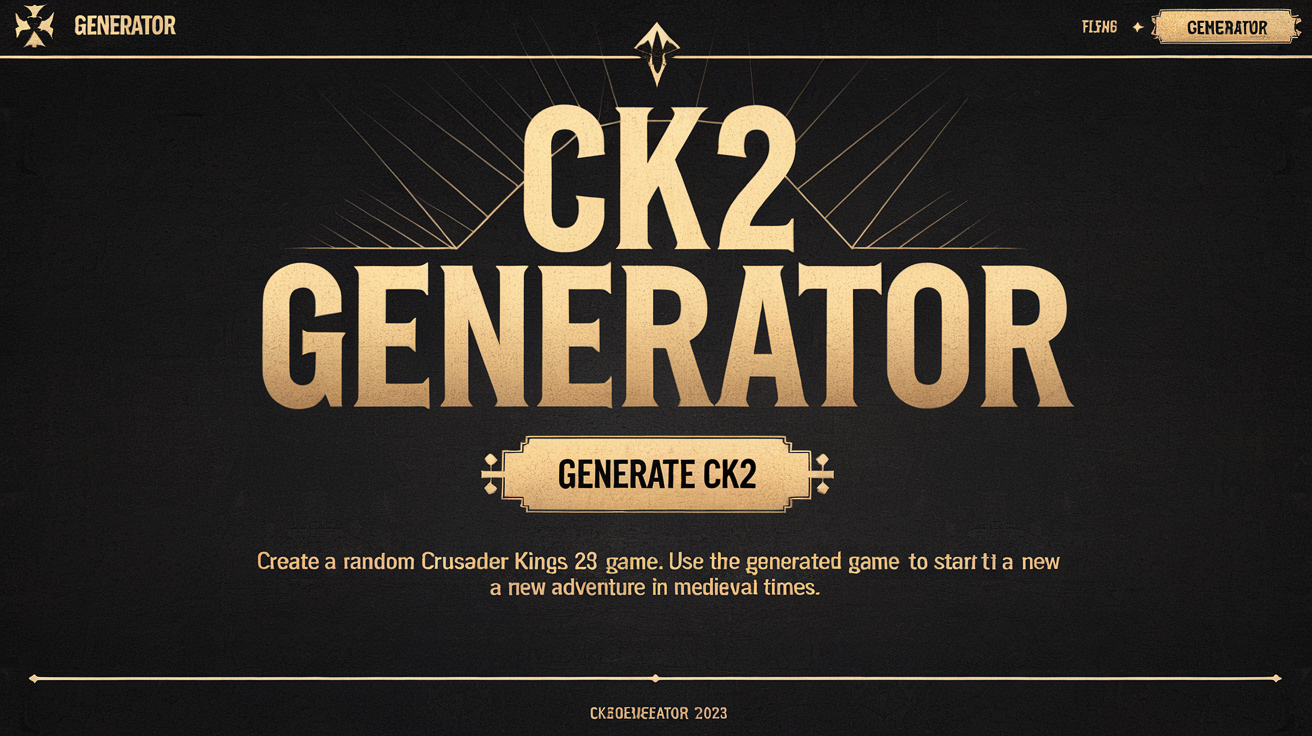
CK2Generator.com Home has become a recognized search term among Crusader Kings II (CK2) players looking for tools that simplify character creation, dynasty customization, world generation, and gameplay enhancements. Even years after its original release, Crusader Kings II remains one of the most popular grand strategy games thanks to its deep political systems, medieval storytelling, and active modding community.
Whether you are creating a custom ruler, experimenting with alternate medieval scenarios, or searching for tools that improve your gaming experience, understanding what CK2Generator.com Home offers can save time and unlock new creative possibilities. This guide explains the purpose of the platform, its features, benefits, potential uses, and why it continues to attract strategy game enthusiasts in 2026.
What Is CK2Generator.com Home?
CK2Generator.com Home refers to the homepage of a website associated with Crusader Kings II utilities, generators, and customization tools. The platform is designed to help players create personalized game content, experiment with different rulers, and enhance gameplay through automated generation tools.
Instead of manually editing large game files, players can use generator-style resources to simplify customization and explore new gameplay possibilities.
Common purposes include:
- Character generation
- Dynasty customization
- Coat of arms creation
- World-building inspiration
- Role-playing scenarios
- Random ruler generation
- Modding assistance
- Campaign planning
These tools appeal to both beginners and experienced CK2 players who enjoy creating unique medieval stories.
Why CK2Generator.com Home Is Popular Among Crusader Kings II Players
Although Crusader Kings III has introduced newer mechanics, Crusader Kings II continues to maintain a loyal community due to its rich gameplay and extensive collection of downloadable content (DLC) and mods.
Several reasons explain the continued popularity of CK2Generator.com Home.
Faster Character Creation
Creating custom rulers manually can take time. Generator tools streamline the process by automatically producing names, traits, dynasties, cultures, and other attributes.
Enhanced Role-Playing
Many players enjoy building original medieval stories. Randomized characters inspire unique campaigns filled with unexpected alliances, betrayals, wars, and dynastic successions.
Support for Modding
The CK2 modding community remains active. Generator tools can reduce repetitive work when creating custom scenarios or testing new ideas.
Replay Value
No two generated campaigns are exactly alike. Players can enjoy fresh medieval experiences every time they begin a new game.
Key Features of CK2Generator.com Home
One of the biggest strengths of CK2Generator.com Home is its focus on simplifying customization while encouraging creativity.
Custom Character Generator
Players can generate rulers with different:
- Names
- Cultures
- Religions
- Traits
- Skills
- Dynasties
- Ages
- Titles
This creates a solid foundation for personalized campaigns.
Dynasty Name Generator
Creating memorable medieval family names enhances immersion. Random dynasty generators provide historically inspired naming options suitable for various European cultures.
Random Scenario Creation
Some generator tools help users create completely original campaign ideas involving kingdoms, noble families, succession conflicts, or alternate historical settings.
Modding Support
Content creators often use automated generators as starting points when developing custom modifications for the game.
Benefits of Using CK2Generator.com Home
Generator tools offer advantages beyond convenience.
Save Time
Instead of manually creating every detail, players can instantly generate complete characters or campaign concepts.
Encourage Creativity
Randomly generated rulers often inspire unexpected stories that players might never have created themselves.
Improve Role-Playing
Detailed backgrounds, personalities, and dynasties make campaigns feel more immersive and memorable.
Learn Game Mechanics
New players can experiment with different combinations of cultures, governments, religions, and traits to better understand CK2’s complex systems.
Support Content Creators
YouTubers, streamers, writers, and mod developers can use generated content to build unique narratives for their audiences.
Tips for Getting the Most from CK2Generator.com Home
To maximize your experience, consider these practical strategies.
Experiment with Different Cultures
Playing as rulers from different regions introduces unique mechanics, traditions, and political challenges.
Create Story-Driven Campaigns
Instead of focusing only on conquest, build campaigns around family rivalries, succession crises, diplomacy, or religious reform.
Combine with Mods
Many players combine generator tools with community-created mods to produce richer and more diverse gameplay experiences.
Customize Generated Results
Automatically generated content serves as an excellent starting point. Personal adjustments can make each campaign even more engaging.
Challenge Yourself
Generate random rulers and commit to playing whatever character the tool creates. This often results in memorable and unpredictable campaigns.
The Future of CK2Generator.com Home in 2026
Although newer strategy games continue entering the market, Crusader Kings II remains an important part of grand strategy gaming history.
Several trends continue supporting platforms like CK2Generator.com Home.
Continued Community Support
Dedicated players continue creating mods, guides, historical scenarios, and custom content years after the game’s release.
AI-Assisted Content Generation
Artificial intelligence increasingly helps generate detailed character backgrounds, medieval histories, family trees, and campaign narratives.
Expanded Creative Tools
Future generators may include enhanced visual editors, map customization, and automated event creation.
Educational Value
Many players appreciate CK2 for introducing medieval history, political systems, diplomacy, and succession laws in an engaging interactive format.
Conclusion
CK2Generator.com Home remains a valuable resource for Crusader Kings II enthusiasts who want to enhance their medieval campaigns through custom character creation, dynasty generation, role-playing tools, and creative modding resources. By simplifying complex customization tasks, the platform allows players to focus on storytelling, strategy, and immersive gameplay.
In 2026, the enduring popularity of Crusader Kings II demonstrates that well-designed strategy games continue to inspire passionate communities long after their original release. Whether you are a new player learning the mechanics or a veteran building elaborate alternate histories, CK2Generator.com Home provides practical tools that can enrich every campaign and expand the possibilities of one of the greatest grand strategy games ever created.
Frequently Asked Questions About CK2Generator.com Home
What is CK2Generator.com Home?
It is the homepage of a website associated with Crusader Kings II generators, character creation tools, and gameplay customization resources.
Who should use CK2Generator.com Home?
The platform is useful for CK2 players, mod developers, content creators, role-playing enthusiasts, and strategy game fans.
Can beginners benefit from these tools?
Yes. Generator tools simplify complex customization and help new players explore different gameplay styles.
Does CK2Generator.com Home replace the game?
No. It complements the game by providing additional resources for character generation, campaign planning, and customization.
Why is it still relevant in 2026?
The active Crusader Kings II community, ongoing mod development, creative role-playing opportunities, and nostalgia continue to keep the game and its supporting tools relevant.
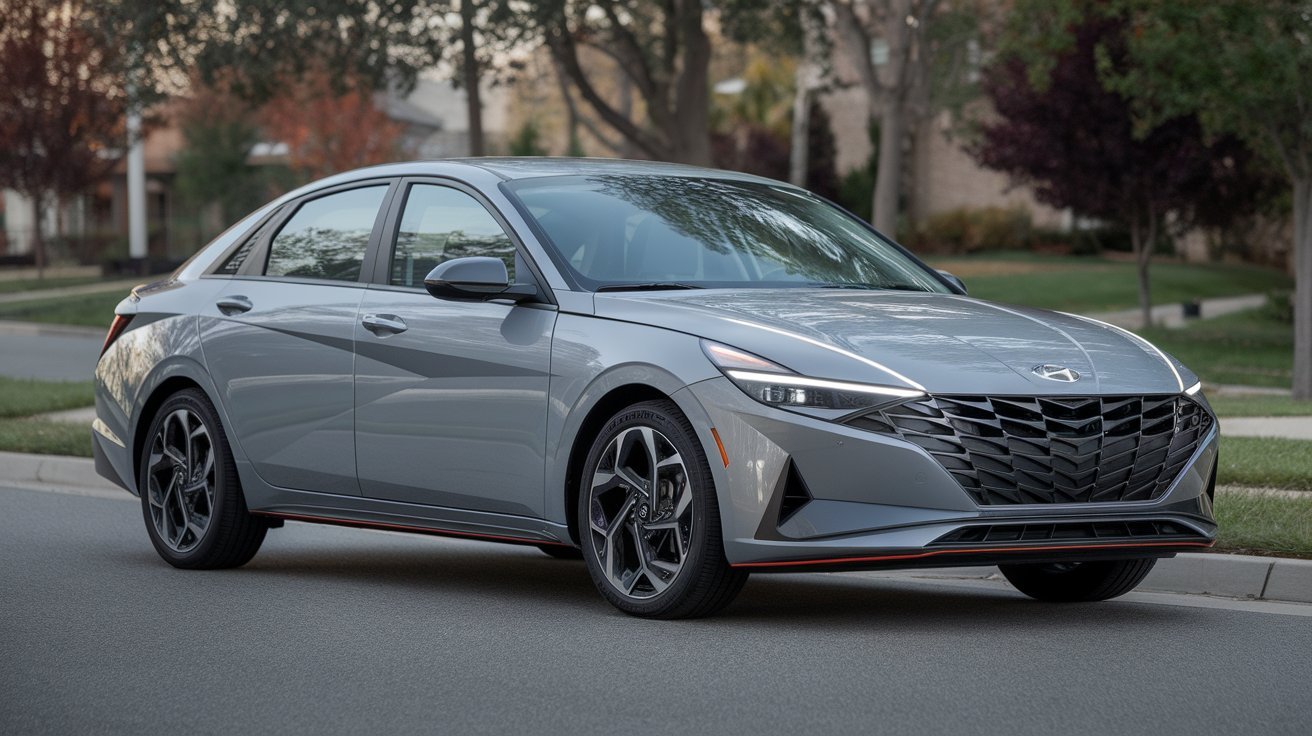
The 2025 Hyundai Elantra SEL Sport is a compact sedan designed for drivers who want a practical daily vehicle with a more distinctive appearance and a useful collection of technology features. Positioned above the entry-level Elantra SE, the SEL Sport combines the Elantra’s efficient 2.0-liter engine with sporty exterior details, upgraded interior touches, modern connectivity, and a relatively affordable starting price. For buyers researching the model in 2026, the 2025 Elantra SEL Sport remains an interesting option because it offers the styling and equipment many drivers want without moving all the way to the more expensive N Line trim.
Hyundai listed the 2025 Elantra SEL Sport at a starting MSRP of $23,250, excluding freight, taxes, title, license, and other charges. It uses a 147-horsepower 2.0-liter four-cylinder engine, front-wheel drive, and Hyundai’s Intelligent Variable Transmission (IVT).
What Is the 2025 Hyundai Elantra SEL Sport?
The Elantra SEL Sport is one of the gasoline-powered trims in the 2025 Hyundai Elantra lineup. Hyundai offered five main gasoline trims for the model year: SE, SEL Sport, SEL Convenience, Limited, and N Line. The SEL Sport sits between the basic SE and higher equipment levels, giving buyers a middle-ground configuration focused on appearance and everyday features.
One of the biggest differences between the SEL Sport and the standard SE is its styling. The SEL Sport receives 17-inch alloy wheels, a gloss-black rear spoiler, aluminum pedals, and a leather-wrapped steering wheel and shift knob. These details give the sedan a more expressive appearance while retaining the practicality of the standard Elantra body.
The SEL Sport is therefore not the same thing as the performance-oriented Elantra N Line. The N Line uses a 1.6-liter turbocharged engine producing 201 horsepower and a seven-speed dual-clutch transmission, while the SEL Sport uses the naturally aspirated 2.0-liter engine and IVT.
2025 Hyundai Elantra SEL Sport Engine and Performance
Under the hood, the 2025 Hyundai Elantra SEL Sport uses a 2.0-liter inline four-cylinder engine producing 147 horsepower at 6,200 rpm and 132 lb-ft of torque at 4,500 rpm. The engine features a DOHC 16-valve design with Dual Continuously Variable Valve Duration technology, while fuel delivery uses multi-point fuel injection.
Power is sent to the front wheels through Hyundai’s Smartstream Intelligent Variable Transmission (IVT). The SEL Sport also includes Normal, Sport, and Smart drive modes, allowing the driver to change the vehicle’s driving response according to conditions or preference.
The powertrain is primarily aimed at efficient commuting and everyday driving rather than high-performance acceleration. Drivers looking for a comfortable compact sedan for city trips, highway commuting, errands, and longer journeys may find the naturally aspirated four-cylinder configuration straightforward and predictable.
It is important to distinguish the SEL Sport from the Elantra N Line. The N Line’s turbocharged engine produces substantially more power, but it also starts at a higher price. The SEL Sport instead emphasizes the combination of reasonable fuel economy, sporty styling, and accessible pricing.
Fuel Economy and Everyday Efficiency
Fuel economy is one of the important reasons to consider the 2025 Elantra SEL Sport. According to Hyundai’s EPA estimates, the gasoline SEL Sport achieves approximately 30 mpg in city driving, 39 mpg on the highway, and 34 mpg combined. Hyundai notes that actual mileage can vary according to driving conditions, habits, vehicle condition, and options.
The sedan has a 12.4-gallon fuel tank, giving it useful range between fuel stops when driven under suitable conditions.
For comparison, the standard Elantra SE is rated at 32 city/41 highway/36 combined mpg, while the N Line is rated at 28 city/35 highway/31 combined mpg. This places the SEL Sport between the economy-focused SE and the more performance-oriented N Line in Hyundai’s 2025 gasoline lineup.
This balance makes the SEL Sport particularly relevant to drivers who want sportier visual details without sacrificing everyday fuel efficiency.
Exterior Design and SEL Sport Features
The 2025 Elantra has a distinctive exterior design, and the SEL Sport trim adds several details intended to make the sedan look more athletic. Its standard 17-inch alloy wheels provide a more substantial appearance than the entry-level configuration, while the gloss-black rear spoiler adds another sporty element at the back.
Hyundai listed exterior color choices including Abyss Black, Amazon Gray, Fluid Metal, Ecotronic Gray, Ultimate Red, Serenity White, and Intense Blue, although exact availability can depend on configuration and market. The SEL Sport shown by Hyundai also features black interior choices.
Inside, the SEL Sport combines cloth seating surfaces with a leather-wrapped steering wheel and shift knob. Aluminum pedals further separate the trim from a basic economy-oriented sedan.
The overall approach is simple: the SEL Sport does not attempt to become a full performance car, but it adds enough visual and tactile upgrades to make the everyday Elantra feel more distinctive.
Technology, Comfort and Convenience
Technology is another important part of the 2025 Hyundai Elantra SEL Sport package. Standard equipment includes an 8-inch color touchscreen display, Apple CarPlay, Android Auto, Bluetooth hands-free phone connectivity, wireless device charging, and USB charging ports. Hyundai also lists proximity key entry with push-button start among the SEL Sport’s equipment.
The cabin includes dual automatic temperature control, while the vehicle also provides a hands-free smart trunk with automatic opening. These features can make the Elantra more convenient for daily commuting and shopping trips.
Buyers who want a larger digital display and navigation can look toward the SEL Convenience trim. That version adds features such as a 10.25-inch digital instrument cluster and 10.25-inch touchscreen navigation, along with other upgrades.
Therefore, the SEL Sport can make sense for buyers who prioritize the sportier exterior and essential connectivity, while the higher SEL Convenience trim targets those wanting a more technology-focused cabin.
2025 Hyundai Elantra SEL Sport Price and Buying Considerations in 2026
Hyundai’s listed starting MSRP for the 2025 Elantra SEL Sport was $23,250, before freight and other purchase-related costs.
For someone researching the vehicle in 2026, actual prices can be different because the vehicle is now an earlier model year. Used-car pricing depends heavily on mileage, condition, accident history, maintenance records, location, equipment, and market demand. A used SEL Sport with low mileage and complete service documentation can be very different from a heavily driven example.
When inspecting a used 2025 SEL Sport, prospective buyers should check the maintenance history, tires, brakes, exterior panels, infotainment operation, air conditioning, transmission behavior, warning lights, and overall interior condition. It is also useful to confirm the vehicle identification number and review applicable recall or service information before purchasing.
The SEL Sport should also be compared with the SEL Convenience, Limited, and N Line depending on priorities. The Limited offers more premium technology and driver-assistance equipment, while the N Line focuses more strongly on performance.
Frequently Asked Questions About the 2025 Hyundai Elantra SEL Sport
How much horsepower does the 2025 Elantra SEL Sport have?
The 2025 Hyundai Elantra SEL Sport produces 147 horsepower from its 2.0-liter four-cylinder engine. It also produces 132 lb-ft of torque.
What is the MPG of the 2025 Elantra SEL Sport?
The official EPA estimates are approximately 30 mpg city, 39 mpg highway, and 34 mpg combined. Actual fuel economy varies with driving conditions and habits.
Does the 2025 Elantra SEL Sport have an automatic transmission?
Yes. The SEL Sport uses Hyundai’s Intelligent Variable Transmission (IVT) and front-wheel drive.
Is the SEL Sport the same as the Elantra N Line?
No. The SEL Sport uses a 147-hp 2.0-liter naturally aspirated engine, while the N Line uses a 201-hp 1.6-liter turbocharged engine with a seven-speed dual-clutch transmission.
What wheels does the SEL Sport have?
The 2025 Elantra SEL Sport comes with 17-inch alloy wheels as part of its sport-oriented equipment.
Conclusion
The 2025 Hyundai Elantra SEL Sport combines the practicality of a compact sedan with a more expressive appearance and useful technology. Its 147-hp 2.0-liter four-cylinder engine, IVT transmission, 34-mpg combined EPA rating, 17-inch alloy wheels, gloss-black rear spoiler, wireless charging, Apple CarPlay, Android Auto, and push-button start give it a well-rounded everyday specification.
For 2026 shoppers considering a used compact sedan, the SEL Sport can be evaluated as a vehicle that sits between basic transportation and a more performance-focused model. Its key characteristics are efficient commuting, sporty styling, practical technology, and accessible original pricing. Buyers should nevertheless compare individual used examples carefully because mileage, condition, maintenance history, and equipment can significantly affect the value of a particular 2025 Elantra SEL Sport.
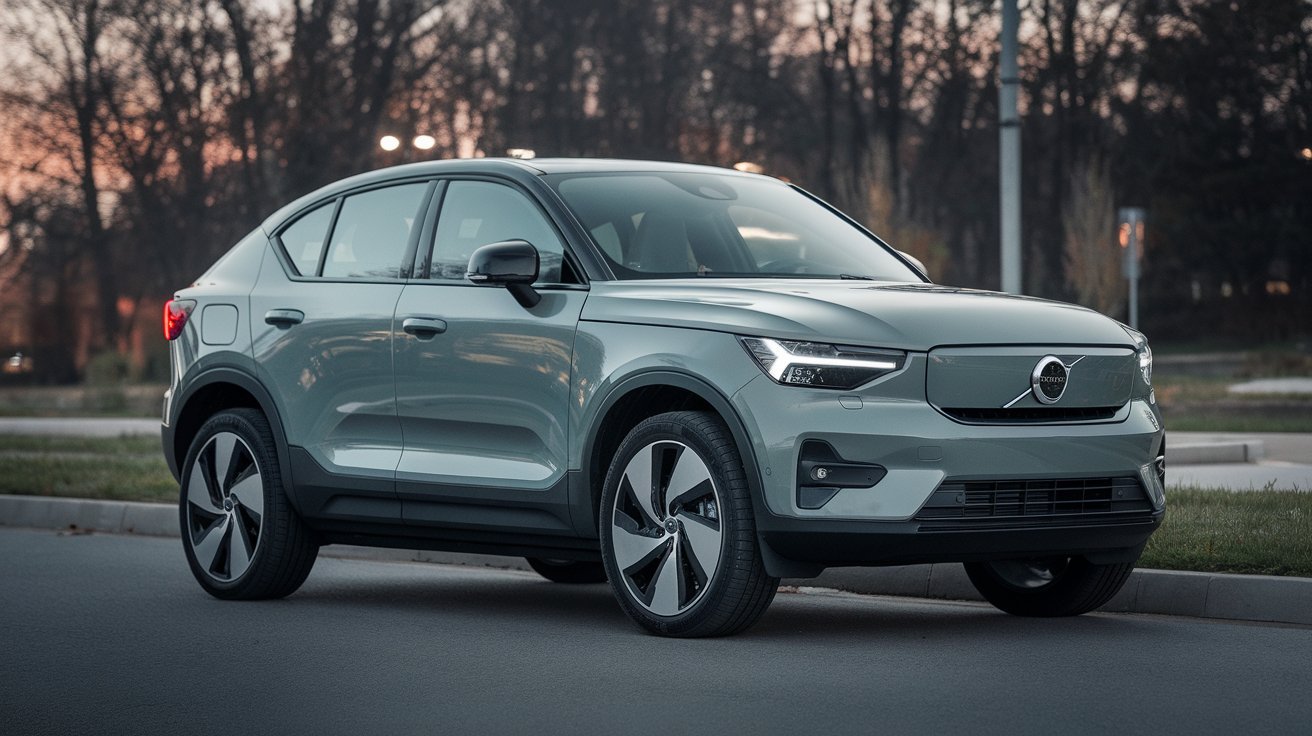
The Volvo C40 Recharge is a fully electric crossover that combines Volvo’s Scandinavian design philosophy with a coupe-inspired roofline, modern technology, strong safety equipment, and zero tailpipe emissions. Although the C40 Recharge name is associated primarily with the 2021–2024 generation in the U.S., the vehicle remains an important model for people researching Volvo’s earlier electric lineup, especially on the used-EV market in 2026. For 2024, Volvo introduced major powertrain improvements, including a rear-wheel-drive single-motor version with substantially improved range and an updated Twin Motor all-wheel-drive model.
The C40 Recharge stands out because it was developed as a more stylish alternative to the boxier XC40 Recharge. Its sloping roof gives the vehicle a distinctive appearance while retaining the elevated seating position and practicality expected from a compact crossover. Depending on the version, the C40 Recharge can deliver up to 297 miles of EPA-estimated range, while the Twin Motor version combines all-wheel drive with up to 402 horsepower.
What Is the Volvo C40 Recharge?
The Volvo C40 Recharge is a five-seat, fully electric crossover with a fastback-style body. Unlike a conventional gasoline-powered Volvo, the C40 Recharge uses electric motors and a high-voltage lithium-ion battery instead of an internal-combustion engine and fuel tank.
The model shares much of its underlying architecture with the Volvo XC40 Recharge, but the C40 has a more dramatically sloped rear roof. This design gives it a sportier appearance while creating some compromises in cargo practicality compared with the more upright XC40. Car and Driver describes the C40 as essentially the electric powertrain and cabin technology of the XC40 combined with a more stylish fastback body.
For 2024, Volvo made significant changes to the electric powertrains. The new Single Motor version switched to rear-wheel drive and received a larger battery, while the Twin Motor AWD model received more efficient motors. Volvo stated that these changes were intended to improve both range and efficiency.
Volvo C40 Recharge Range and Battery
One of the most important improvements to the C40 Recharge came for the 2024 model year. The Single Motor Extended Range version uses a battery rated at approximately 79.0 kWh in Car and Driver’s specifications and is EPA-rated for up to 297 miles of range.
The Twin Motor AWD model uses a smaller usable battery capacity than the Single Motor version and is rated for up to 257 miles of EPA-estimated range. The trade-off is additional performance and all-wheel-drive capability. Volvo’s official U.S. announcement listed 297 miles for the Single Motor C40 and 257 miles for the Twin Motor C40.
Actual driving range can differ considerably from the official figure. Volvo notes that range depends on factors including driving conditions, speed, temperature, battery condition, vehicle condition, and driving style. Cold weather, high-speed highway driving, heavy loads, and extensive use of heating or air conditioning can all affect energy consumption.
For used-EV buyers in 2026, battery condition is therefore an important consideration. A vehicle’s displayed estimated range should not automatically be treated as its permanent battery capacity or guaranteed real-world range.
Performance and Electric Motors
The Volvo C40 Recharge offers two significantly different powertrain configurations. The Single Motor version uses a rear-mounted permanent-magnet electric motor producing 248 horsepower and 310 lb-ft of torque according to Car and Driver’s 2024 specifications. Its rear-wheel-drive configuration contributes to the improved efficiency of the updated model.
The Twin Motor AWD version is considerably more powerful. Its front and rear electric motors combine for approximately 402 horsepower and 494 lb-ft of torque, allowing rapid acceleration. Car and Driver estimates a 0-to-60-mph time of about 4.4 seconds for the Twin Motor model, while the Single Motor version is estimated at approximately 6.6 seconds.
The Twin Motor system is particularly useful for drivers who want strong acceleration and all-weather traction. The Single Motor version, meanwhile, focuses more heavily on efficiency, range, and everyday usability.
Both versions use direct electric drive rather than a conventional multi-speed automatic transmission. This gives the C40 Recharge the immediate response commonly associated with modern electric vehicles.
Charging the Volvo C40 Recharge
Charging is another major consideration when buying a Volvo C40 Recharge. The vehicle can be charged using home AC equipment or a DC fast charger. Volvo’s 2024 documentation states that the car can accept up to 11 kW of AC charging power, depending on the charging setup.
DC fast charging is substantially quicker. Volvo’s specifications indicate that charging from 10% to 80% can take approximately 26–28 minutes under suitable conditions with a sufficiently powerful DC charging station. Actual charging speed depends on battery temperature, charging equipment, battery state of charge, and other factors.
The 2024 Single Motor model can accept up to 200 kW DC charging, while the updated battery and motor combination were specifically designed to improve both range and charging performance. Volvo’s U.S. announcement estimated approximately 28 minutes for a 10–80% charge using appropriate DC fast-charging equipment.
At home, an 11-kW charging point can provide a full charge considerably more conveniently than a standard household outlet. Volvo’s documentation shows that charging times from household outlets can be much longer, depending on current and voltage.
Interior, Technology and Safety
Inside, the C40 Recharge follows Volvo’s minimalist Scandinavian design philosophy. The cabin combines a digital driver display with a vertically oriented infotainment system and Google-based software. Available functions include Google Maps, Google Assistant, Google Play applications, smartphone connectivity, and connected vehicle features.
Safety is another central part of the C40’s design. The vehicle includes a range of driver-assistance systems, with features such as automated emergency braking, pedestrian and cyclist detection, lane-departure warning, and lane-keeping assistance available as part of its safety technology. Higher specifications can add adaptive cruise control and lane-centering assistance.
The fastback roofline does create a practical compromise. While the C40 provides useful passenger space and cargo capacity, the more upright XC40 offers greater overall cargo flexibility. Car and Driver lists approximately 17 cubic feet of cargo space behind the rear seats and 49 cubic feet with the rear seats folded in its specifications.
The vehicle seats five passengers, making it suitable for everyday family and commuting duties despite its sporty body design.
Volvo C40 Recharge Design and Driving Experience
The C40 Recharge’s biggest visual distinction is its sloping fastback roof. The design gives the vehicle a lower, more streamlined appearance than the XC40, while Volvo’s characteristic lighting elements and clean body surfaces maintain the brand’s recognizable identity.
The driving experience is generally quiet and smooth, as expected from an electric vehicle. The Twin Motor model provides particularly strong acceleration, while the Single Motor version has a calmer character suited to daily driving. Car and Driver described the C40 as comfortable and composed, although its steering is not designed to deliver the same highly athletic response as some sportier EV competitors.
The vehicle’s compact dimensions also make it easier to manage in urban environments. The 2024 C40 measures approximately 174.8 inches long, with a 106.4-inch wheelbase.
For buyers considering a used C40 Recharge in 2026, the combination of quiet operation, strong acceleration, premium interior design, and available long-range capability remains attractive.
Frequently Asked Questions About the Volvo C40 Recharge
How far can the Volvo C40 Recharge travel on one charge?
The 2024 Single Motor version has an EPA-estimated range of up to 297 miles, while the Twin Motor AWD version is rated for up to 257 miles.
Is the Volvo C40 Recharge fully electric?
Yes. The C40 Recharge is a fully electric vehicle and does not use a gasoline engine.
How much horsepower does the C40 Recharge have?
The Single Motor version produces 248 horsepower, while the Twin Motor AWD model produces approximately 402 horsepower.
Does the Volvo C40 Recharge have all-wheel drive?
Yes. The Twin Motor version uses all-wheel drive through electric motors on the front and rear axles. The Single Motor version uses rear-wheel drive.
How quickly can the C40 Recharge fast-charge?
Under suitable conditions, the vehicle can charge from 10% to 80% in roughly 26–28 minutes using a sufficiently powerful DC fast charger.
Is the C40 Recharge still sold new in the United States?
The 2024 model year was the final U.S. model year under the C40 Recharge name. Volvo subsequently used the EX40 name for the related electric SUV in the U.S. market.
Conclusion
The Volvo C40 Recharge remains an interesting electric crossover for 2026 buyers, particularly those considering a used premium EV. Its combination of Scandinavian styling, electric performance, modern Google-based technology, advanced safety features, and up to 297 miles of EPA-estimated range gives it a strong set of characteristics for everyday electric driving.
The 2024 updates are especially important because they introduced the more efficient rear-wheel-drive Single Motor configuration and improved the Twin Motor AWD system. The Single Motor model emphasizes range and efficiency, while the Twin Motor delivers substantially more power and all-wheel-drive traction.
When evaluating a C40 Recharge in 2026, buyers should pay particular attention to battery condition, charging capability, service history, remaining warranty coverage, real-world range, and equipment level. With those factors considered, the C40 Recharge can remain a distinctive choice for drivers seeking a stylish, technologically advanced, and fully electric compact crossover.
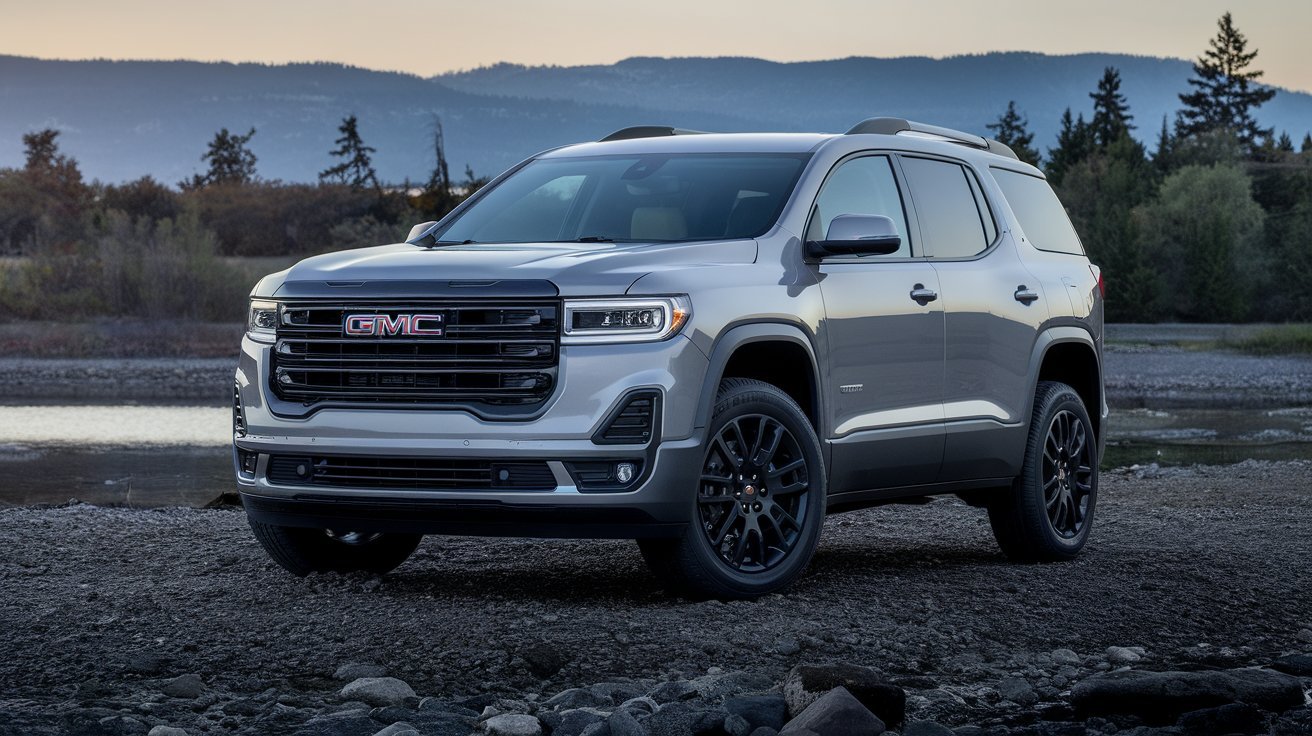
The 2025 GMC Acadia AT4 is a three-row midsize SUV designed to combine everyday family practicality with genuine off-road-oriented equipment. As part of the redesigned Acadia generation, the AT4 stands apart from the standard Elevation and upscale Denali by focusing more heavily on all-wheel-drive capability, rugged styling, suspension tuning, and traction management. It is especially interesting for drivers who want a family SUV that can handle dirt roads, snow, trails, and rougher conditions without moving into a traditional body-on-frame truck-based SUV.
For 2025, the Acadia AT4 uses a 2.5-liter turbocharged four-cylinder engine, an eight-speed automatic transmission, and standard all-wheel drive. GMC rates the engine at 328 horsepower and 326 lb-ft of torque, giving the large three-row SUV substantial low- and mid-range pulling power. GMC also equips the AT4 with several hardware upgrades intended to make it more capable away from paved roads.
2025 GMC Acadia AT4 Engine and Performance
The heart of the 2025 GMC Acadia AT4 is its 2.5L turbocharged inline-four engine. It produces 328 horsepower at 5,500 rpm and 326 lb-ft of torque at 3,500 rpm, paired with a conventional eight-speed automatic transmission. This powertrain is shared across the Acadia lineup, giving the AT4 strong performance without requiring a larger V6 or V8 engine.
The important difference is how the AT4 uses that power. Active Torque Control all-wheel drive is standard, and the system is designed to distribute torque where it is needed for improved traction. GMC also gives the AT4 an off-road-tuned suspension with hydraulic rebound control, a taller ride height, and a wider track than the standard configuration. These changes are intended to improve stability and control when the vehicle leaves smooth pavement.
For towing, the 2025 Acadia lineup can reach a 5,000-pound maximum towing capacity when properly equipped. That gives the AT4 enough capacity for many recreational trailers, small boats, utility trailers, and outdoor equipment. Actual towing capability depends on configuration and equipment, so buyers should confirm the specifications for the individual vehicle.
AT4 Off-Road Capability and Exterior Design
The AT4 is more than an appearance package. GMC gives the Acadia AT4 several mechanical and exterior changes intended for light off-road use. Its lifted ride height, off-road-tuned suspension, all-terrain tires, and Active Torque Control AWD distinguish it from the road-focused versions of the Acadia.
The AT4 uses 18-inch dark machined aluminum wheels with all-terrain tires, while its front fascia incorporates red recovery hooks and integrated skid plates. The higher ride height and more aggressive front design also contribute to improved approach capability when traveling over uneven terrain.
Another important feature is the Traction Select System, which includes a Terrain mode designed for conditions where additional traction and controlled wheel movement are important. The AT4 also includes Hill Descent Control, which can help manage vehicle speed during controlled descents on steep or uneven surfaces.
These features make the AT4 particularly suitable for gravel roads, muddy access roads, snowy conditions, camping routes, and moderate trails. However, it is still a midsize crossover SUV rather than a dedicated rock-crawling vehicle. Drivers should understand the limits of its tires, ground clearance, suspension, and unibody construction before attempting difficult terrain.
Interior, Seating, and Technology
Inside, the 2025 GMC Acadia AT4 combines a practical three-row layout with modern technology. The Acadia is considerably larger than the previous generation, giving it useful passenger and cargo space. GMC lists maximum cargo capacity at 97.5 cubic feet behind the first row, with approximately 57.3 cubic feet behind the second row and 23.0 cubic feet behind the third row.
The AT4 features a 15-inch diagonal GMC Premium Infotainment System, making the dashboard one of the most noticeable parts of the cabin. The system supports connected applications and offers available Google built-in functionality, while compatible phones can use wireless Apple CarPlay and wireless Android Auto. An 11-inch driver information display provides additional vehicle and trip information.
Comfort equipment includes heated front seats, an eight-way power driver’s seat, a heated steering wheel, remote start, and a Bose premium 12-speaker audio system. Depending on configuration and packages, buyers can add features such as heated and ventilated front seats, heated second-row outboard seats, an eight-inch head-up display, and other convenience equipment.
This combination makes the AT4 practical for both daily commuting and longer family trips. The three-row configuration also gives it an advantage over smaller two-row SUVs when passenger flexibility is important.
Safety Features and 2025 IIHS Rating
Safety is another major consideration when evaluating the 2025 GMC Acadia AT4. The Insurance Institute for Highway Safety awarded the 2025 Acadia a Top Safety Pick designation for vehicles built after January 2025. The Acadia received a Good rating in the small-overlap front test, an Acceptable rating in the updated moderate-overlap front test, and a Good rating in the updated side test.
The Acadia also received a Good rating for standard vehicle-to-vehicle front crash prevention. Its standard enhanced automatic emergency braking and front pedestrian and bicyclist braking systems were evaluated by IIHS. Pedestrian front crash prevention received an Acceptable rating.
Standard safety technology includes features such as blind-spot detection, lane-departure warning and lane-departure prevention, along with other driver-assistance systems. Some equipment, including rear automatic braking, depends on configuration or options.
As always, driver-assistance systems are designed to supplement attentive driving rather than replace it. Weather, visibility, road conditions, and system limitations can affect performance.
2025 GMC Acadia AT4 Price and Value
When new, GMC listed the 2025 Acadia AT4 with an MSRP starting around $52,895, before taxes, fees, and optional equipment. The exact transaction price could be higher depending on packages, destination charges, accessories, dealer pricing, and availability.
In 2026, shoppers considering a used 2025 GMC Acadia AT4 should look beyond the original sticker price. Vehicle condition, mileage, maintenance records, tire condition, accident history, and remaining warranty coverage can have a major effect on actual ownership value.
The AT4’s additional off-road hardware is particularly useful for buyers who genuinely need AWD and rough-road capability. Drivers who spend almost all their time on highways may find that some of the AT4’s specialized equipment is less important than comfort, fuel economy, or luxury features.
Is the 2025 GMC Acadia AT4 Worth Considering in 2026?
The 2025 GMC Acadia AT4 occupies an interesting position in the midsize SUV market. It combines the practicality of a three-row family crossover with 328 horsepower, standard AWD, all-terrain tires, lifted ride height, off-road suspension tuning, Terrain mode, Hill Descent Control, and a 5,000-pound maximum towing capability.
For a 2026 buyer, the most important step is to match the vehicle’s equipment with actual driving needs. A used AT4 should receive a careful inspection covering the tires, suspension, brakes, underbody, AWD system, engine, transmission, electronics, and service history. Vehicles that have spent substantial time on rough trails deserve additional attention underneath.
Overall, the AT4 provides a distinctive balance: it remains a comfortable family SUV while adding meaningful hardware for drivers who regularly encounter snow, gravel, mud, uneven roads, and outdoor adventures.
Frequently Asked Questions About the 2025 GMC Acadia AT4
What engine does the 2025 GMC Acadia AT4 have?
The 2025 Acadia AT4 uses a 2.5-liter turbocharged four-cylinder engine producing 328 horsepower and 326 lb-ft of torque, connected to an eight-speed automatic transmission.
Is AWD standard on the 2025 Acadia AT4?
Yes. The AT4 comes with Active Torque Control all-wheel drive as standard equipment, unlike configurations where AWD may be optional.
How much can the 2025 GMC Acadia AT4 tow?
The Acadia can tow up to 5,000 pounds when properly equipped. Buyers should verify the exact towing configuration and equipment on an individual vehicle.
Does the Acadia AT4 have off-road features?
Yes. It includes lifted ride height, off-road-tuned suspension, all-terrain tires, Active Torque Control AWD, Terrain mode, Hill Descent Control, skid plates, and red recovery hooks.
How many people can the 2025 GMC Acadia seat?
The Acadia is a three-row SUV, with seating configurations that can accommodate up to seven or eight occupants depending on trim and configuration. The AT4 is generally configured as a seven-passenger model.
Does the 2025 Acadia have a large touchscreen?
Yes. The Acadia features a 15-inch diagonal GMC Premium Infotainment System, along with an 11-inch driver information display. Wireless Apple CarPlay and Android Auto are available for compatible smartphones.
Is the 2025 GMC Acadia AT4 a true off-road SUV?
It is designed for off-road-oriented crossover use, with specialized suspension, AWD, all-terrain tires, traction modes, and protective equipment. However, it should not be confused with a highly specialized rock-crawling vehicle. Its strongest advantage is combining everyday three-row practicality with additional capability for moderate off-pavement driving.

Kracensoft.com: Complete Guide to the Technology Website in 2026

MiloMagazine.co.uk: Complete Guide to Milo Magazine in 2026

Anticimex 3D Sanidad Ambiental / WiseCon Estrategia de Consolidación: A Complete Guide for 2026

Eric Ritchson: Biography, Career, Movies, TV Shows, Fitness Journey, and Personal Life

Who Is Holly Revord? Everything About Raegan Revord’s Mother

Who Is Antonimar Mello? All About Lisa Lisa’s Former Husband
-
 Celebrity3 months ago
Eric Ritchson: Biography, Career, Movies, TV Shows, Fitness Journey, and Personal Life
-
 Celebrity3 months ago
Who Is Holly Revord? Everything About Raegan Revord’s Mother
-
 Celebrity3 months ago
Who Is Antonimar Mello? All About Lisa Lisa’s Former Husband
-

 Celebrity3 months ago
Philip Alan Hosterman: Biography, Career, Family, Achievements, and Lasting Legacy
-

 Business3 months ago
UCAS Login: The Complete Guide to Accessing Your University Application
-

 Technology3 months ago
Almawadahit.com Technology: A Complete Guide to Digital Innovation, AI Tools, Image Optimization, and Smart Online Solutions (2026)
-

 Fashion3 months ago
FitFlop: The Ultimate Guide to Comfortable and Stylish Footwear
-

 Sports3 months ago
Zuyomernon System: A Complete Guide to Features, Benefits, Applications, and Future Potential