
Business
Red Angus Cow: Complete Guide to Characteristics, Benefits, Care, and Beef Production

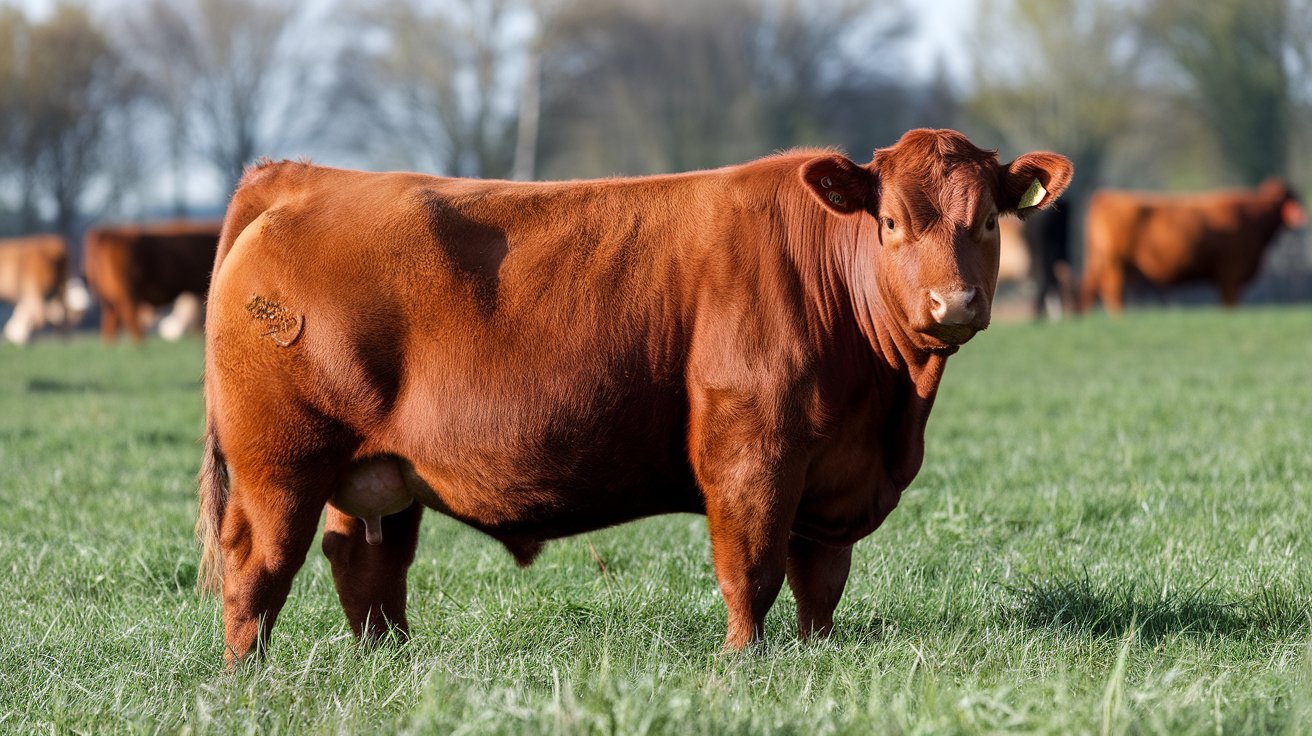
The Red Angus cow is one of the most respected and profitable cattle breeds in the livestock industry. Known for its distinctive red coat, excellent maternal abilities, high-quality beef production, and adaptability to different climates, the Red Angus has become a preferred choice for ranchers and cattle producers worldwide.
Originally developed from the Angus breed, Red Angus cattle have gained popularity because they combine strong genetics, efficient growth, and superior carcass quality. Whether raised for commercial beef operations or breeding programs, these cattle offer numerous advantages that contribute to long-term profitability and herd improvement.
In 2026, the demand for premium beef continues to grow, making the Red Angus cow an important breed for modern cattle farming. Understanding its history, characteristics, management requirements, and economic benefits can help producers make informed decisions when selecting cattle for their operations.
What Is a Red Angus Cow?
A Red Angus cow is a beef cattle breed that originated from red-colored Angus cattle. While black Angus cattle became more widely recognized in the early years, red-colored animals carried the same valuable genetics and traits.
The breed traces its roots back to Scotland, where Angus cattle were first developed. Over time, breeders recognized the value of the red coat color and established separate breeding programs dedicated to preserving and improving Red Angus genetics.
Today, Red Angus cattle are known for:
- Deep red coat color
- Naturally polled (hornless) genetics
- Excellent fertility
- Strong maternal instincts
- High-quality beef production
- Efficient feed conversion
- Adaptability to diverse environments
These qualities have made the breed increasingly popular among commercial and purebred cattle producers.
Key Physical Characteristics of Red Angus Cattle
One of the easiest ways to identify a Red Angus cow is by its rich red coat, which can range from light cherry red to dark mahogany.
Common physical features include:
- Medium to large body size
- Smooth muscle development
- Naturally hornless heads
- Strong skeletal structure
- Broad backs and deep bodies
- Well-balanced conformation
- Calm temperament
Mature Red Angus cows generally weigh between 1,000 and 1,400 pounds, while bulls often exceed 2,000 pounds under proper management.
Their moderate frame size helps maintain efficiency while supporting strong growth performance and reproductive success.
Why Red Angus Cows Are Popular in Beef Production
The popularity of the Red Angus cow largely stems from its outstanding beef production qualities.
Consumers increasingly seek beef that offers:
- Excellent marbling
- Superior tenderness
- Consistent flavor
- High-quality eating experience
Red Angus cattle consistently deliver these characteristics. Their carcasses often grade well, helping producers earn premium prices in the marketplace.
Additional beef-production advantages include:
Efficient Growth Rates
Red Angus calves grow quickly while maintaining excellent feed efficiency.
Strong Carcass Quality
Their genetics support desirable carcass traits that are highly valued by meat processors.
Market Demand
Many branded beef programs actively seek Red Angus genetics due to their reputation for quality.
Feedlot Performance
These cattle perform efficiently in feedlots and can achieve market weight economically.
Because of these benefits, many commercial operations use Red Angus genetics to improve overall herd profitability.
Maternal Strengths and Reproductive Performance
One of the most impressive qualities of the Red Angus cow is its exceptional maternal ability.
Successful cattle operations depend heavily on productive cows that consistently raise healthy calves. Red Angus females excel in this area through:
- High fertility rates
- Strong mothering instincts
- Easy calving
- Good milk production
- Long reproductive lifespan
Many ranchers appreciate Red Angus cows because they produce vigorous calves while requiring less intervention during calving season.
Calving ease is particularly important for producers managing large herds. Reduced calving complications can lower labor costs and improve overall calf survival rates.
The breed’s maternal strengths make it a valuable foundation for both purebred and crossbreeding programs.
Adaptability and Environmental Advantages
Modern livestock producers often face changing weather patterns and challenging environmental conditions. Fortunately, the Red Angus cow is known for its adaptability.
These cattle perform well in:
- Hot climates
- Cold regions
- Dry grazing areas
- High-altitude locations
- Pasture-based systems
- Intensive production environments
Many experts believe the red coat may offer advantages in warmer environments by absorbing less heat than darker-colored cattle.
Red Angus cattle are also recognized for their ability to efficiently utilize forage resources. This characteristic helps reduce feed expenses and supports sustainable production practices.
Their adaptability allows producers across different regions to successfully incorporate Red Angus genetics into their operations.
Management and Care Requirements for Red Angus Cows
Proper management is essential for maximizing the productivity and health of any cattle breed.
For Red Angus cows, successful management typically includes:
Nutrition
A balanced diet should provide:
- Quality forage
- Adequate protein
- Essential minerals
- Clean water
- Energy sources during critical production stages
Health Programs
Routine veterinary care helps prevent disease and maintain herd performance.
Recommended practices include:
- Vaccination schedules
- Parasite control
- Regular health evaluations
- Biosecurity measures
Breeding Management
Maintaining accurate breeding records supports genetic improvement and reproductive efficiency.
Pasture Management
Rotational grazing systems can improve forage quality while promoting healthier cattle and more productive land.
When these management principles are followed, Red Angus cows can remain productive for many years.
Red Angus Crossbreeding Benefits
Crossbreeding remains a valuable strategy for many commercial cattle operations.
The Red Angus cow contributes several important traits when crossed with other breeds:
- Improved fertility
- Enhanced maternal performance
- Better growth rates
- Increased hybrid vigor
- Superior carcass quality
- Improved adaptability
Popular crossbreeding combinations often involve breeds such as Hereford, Simmental, Charolais, and Gelbvieh.
These programs help producers capture the benefits of both parent breeds while improving overall herd productivity.
As a result, Red Angus genetics continue to play an important role in commercial beef production throughout North America and other cattle-producing regions.
Future Outlook for Red Angus Cattle in 2026 and Beyond
The future looks promising for the Red Angus cow. Growing consumer demand for premium beef, combined with increasing interest in efficient and sustainable livestock production, supports continued expansion of the breed.
Several factors are driving this positive outlook:
- Demand for high-quality beef
- Advancements in genetic selection
- Improved breeding technologies
- Greater emphasis on efficiency
- Sustainable ranching practices
- Strong market recognition
Modern genetic evaluation tools allow breeders to select animals with superior performance traits, helping improve future generations of Red Angus cattle.
As the cattle industry continues to evolve, Red Angus genetics are expected to remain highly valuable for both purebred breeders and commercial producers.
Conclusion
The Red Angus cow has earned a reputation as one of the most reliable and productive beef cattle breeds in the world. Its combination of excellent maternal ability, high-quality beef production, adaptability, fertility, and efficient growth performance makes it a smart choice for modern cattle operations.
Whether used in purebred herds or commercial crossbreeding programs, Red Angus cattle continue to deliver measurable benefits that support profitability and long-term success. As demand for premium beef grows in 2026 and beyond, the Red Angus breed remains a leading option for producers seeking dependable performance and exceptional value.
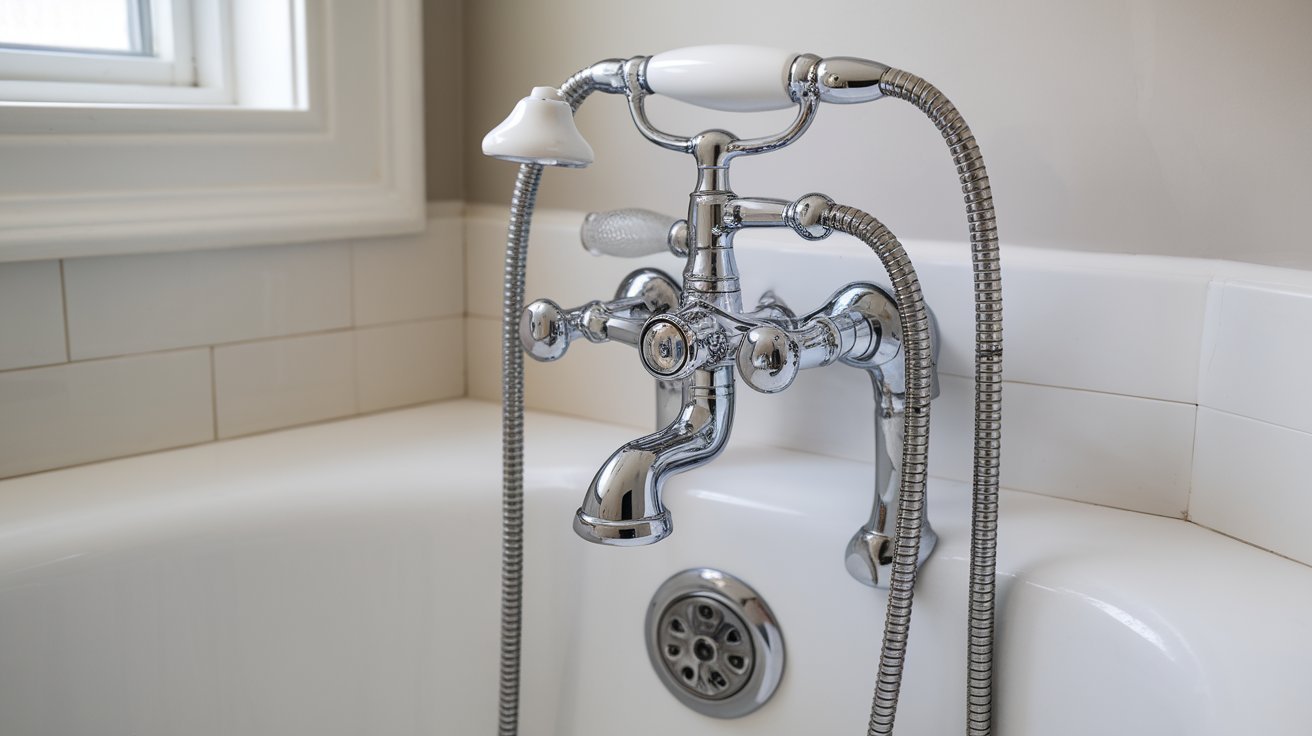
A loose, broken, worn, or outdated shower handle can make an otherwise functional bathroom feel inconvenient and unfinished. Fortunately, Moen shower handle replacement is often a manageable repair when the correct replacement part and valve type are identified before installation.
The most important step is understanding that not all Moen shower handles are interchangeable. Moen manufactures several shower valve systems, handle mechanisms, trim designs, and cartridge configurations. A replacement handle that looks similar may not fit the valve already installed behind the wall. Moen recommends identifying the product model number whenever possible and using the product’s exploded parts diagram to locate compatible replacement parts.
This complete 2026 guide to Moen shower handle replacement explains how to identify your shower system, remove an old handle, choose the correct replacement, install a new handle, and troubleshoot common problems.
How to Identify Your Moen Shower Handle Before Replacement
Before buying a replacement, we need to identify the existing Moen shower valve and handle system.
The word Moen is often printed or engraved on the handle or the escutcheon plate behind the handle. However, identifying the brand is only the first step. We also need to determine which type of valve is installed.
Moen shower systems can include:
- Standard valves
- Moentrol valves
- Posi-Temp valves
- M-Core valves
- Two-handle shower systems
- Three-handle shower systems
Each system can use a different handle arrangement.
For example, Moen identifies a Posi-Temp valve as a rotate-only system, while Standard and Moentrol single-handle valves can use a push/pull-and-rotate operating style. The placement of escutcheon screws can also help identify the valve type.
Before purchasing a new handle, inspect:
The handle shape
The number of handles
How the handle operates
The escutcheon plate
The location of visible screws
Any model number or product label
Taking photographs before removing any parts can also make reassembly easier.
Finding the Correct Moen Shower Handle Replacement
The safest way to find the correct Moen shower handle replacement part is to locate the original product model number.
Moen states that replacement parts can often be identified by searching for the product model number and reviewing the Exploded Parts View document for that product. This diagram identifies the individual components and part numbers used in the assembly.
Possible places to find the model number include:
- The original product packaging
- Installation instructions
- Purchase records
- Builder or plumber documentation
- Product identification labels
- Manufacturer records
If the exact model number is unavailable, compare the shower carefully with Moen’s valve and product identification guides.
Replacement components may include:
- Complete handle assemblies
- Lever handles
- Knob handles
- Handle adapters
- Handle screws
- Set screws
- Handle insert kits
- Escutcheon plates
- Trim kits
For example, Moen offers genuine replacement parts such as handle insert kits and complete handle kits for specific products.
Avoid choosing a replacement based only on appearance. A handle may look identical but use a different adapter, mounting screw, or valve connection.
Tools Needed for Moen Shower Handle Replacement
The tools needed depend on the specific shower model. In many cases, however, the job requires only basic hand tools.
Common tools include:
- Phillips screwdriver
- Flat-head screwdriver
- Allen or hex wrench
- Adjustable wrench
- Needle-nose pliers
- Small container for screws
- Clean cloth
Some Moen handles use a Phillips screw, while others use a small hex set screw.
Moen’s instructions for one Standard Valve Lever Type 1 handle identify a Phillips screwdriver as the recommended tool. The procedure involves removing the Phillips screw and then pulling the handle from the cartridge stem.
An M-Core 4 Series handle mechanism, by comparison, uses a 3/32-inch hex wrench to loosen small set screws on the underside of the handle.
This difference demonstrates why identifying the model before beginning is so important.
Always place small screws somewhere secure. Losing a handle screw can delay the repair even when the replacement handle itself is correct.
How to Remove an Old Moen Shower Handle
The basic process for removing a Moen shower handle is usually straightforward, but the exact steps depend on the valve and trim style.
Before starting, turn off the water supply if the repair involves accessing the valve or other internal components. Even when replacing only the external handle, shutting off the water can provide additional protection against accidental operation. Moen installation instructions consistently advise turning the water supply off before disassembling a valve or removing existing components.
Step 1: Cover the Shower Drain
Place a cloth or drain cover over the opening.
This prevents small screws, clips, and other components from falling into the drain.
Step 2: Locate the Handle Screw
Look for the mounting screw.
Depending on the handle design, it may be:
- Behind a decorative cap
- Underneath the handle
- On the side
- Inside the front of the handle
Remove the decorative cap carefully if necessary.
Step 3: Loosen or Remove the Screw
Use the correct screwdriver or hex wrench.
For a typical lever handle, remove or loosen the mounting screw according to the design.
Do not force the screw if it is corroded or damaged.
Step 4: Remove the Handle
Pull the handle away from the valve assembly.
If the handle does not come off easily, avoid excessive force. Mineral buildup, corrosion, or an incorrect assumption about the mounting system may be preventing removal.
Step 5: Inspect the Internal Components
Once the handle is removed, inspect:
- The cartridge stem
- Handle adapter
- Mounting screw
- Escutcheon plate
- Temperature limit components
If the handle was loose because of a damaged adapter or worn screw, replacing only the external handle may not solve the problem.
How to Install a New Moen Shower Handle
After removing the old handle, installing the correct replacement usually involves reversing the removal process.
First, inspect the new part and compare it with the original.
Make sure the:
- Handle shape matches
- Adapter is compatible
- Mounting system is correct
- Screw size matches
- Valve type is supported
For one common Moen Standard Valve lever assembly, the cartridge clip should be properly installed before the handle is placed onto the cartridge stem. The handle is then secured with its Phillips screw.
A general installation process includes the following steps.
Align the Handle
Place the replacement handle or adapter onto the valve or cartridge stem in the correct orientation.
Install the Mounting Hardware
Insert the correct screw and tighten it securely.
Avoid overtightening because excessive force can damage the screw, handle, or internal components.
Reinstall Decorative Parts
Replace caps, inserts, or trim pieces removed during disassembly.
Test the Handle
Turn the water supply back on if it was shut off.
Test the handle for:
- Smooth movement
- Proper on/off operation
- Correct temperature adjustment
- Secure mounting
- No excessive wobbling
If hot and cold water operate in reverse, the issue may involve the cartridge orientation rather than the handle itself.
Can You Replace a Moen Shower Handle Without Replacing the Valve?
In many cases, yes. It is often possible to replace the visible trim and handle without replacing the valve behind the wall.
However, compatibility is essential.
Moen explains that some valve systems can accept compatible replacement trim kits. For example, Moentrol valves can accept Moentrol trim kits, while Posi-Temp valves accept Posi-Temp trim kits. Standard valves may require specific compatible components or adapters.
This can make a cosmetic bathroom update easier because replacing the valve behind the wall may require significantly more work.
Before changing the shower’s appearance, determine:
Which valve is installed?
Which trim family is compatible?
Is an adapter required?
Will the new handle work with the existing cartridge?
Never assume that every Moen trim kit fits every Moen valve.
Common Moen Shower Handle Replacement Problems
Several issues can occur during replacement.
The New Handle Does Not Fit
This usually means the handle or adapter is not compatible with the existing valve.
Check the model number and valve type.
The Handle Is Loose
A loose handle may result from:
- A loose mounting screw
- A damaged adapter
- A worn handle connection
- Internal cartridge problems
Inspect all mounting components before purchasing additional parts.
The Handle Will Not Turn Properly
If the new handle binds or has limited movement, check whether it has been installed in the correct orientation.
The temperature limit stop or cartridge position may also need attention.
Hot and Cold Water Are Reversed
This can happen after cartridge servicing or reassembly.
The issue may be related to cartridge orientation rather than the replacement handle.
The Handle Is Difficult to Remove
Mineral deposits and corrosion can make old components stick.
Avoid striking or aggressively prying against the valve because damage behind the wall can create a much larger repair.
When Should You Replace the Cartridge Instead?
Sometimes a shower handle problem is actually a cartridge problem.
Consider inspecting or replacing the cartridge if the shower has:
- Dripping water
- Difficulty controlling temperature
- Poor water flow
- Stiff handle movement
- Inconsistent operation
Moen shower systems use different cartridge designs depending on the valve type. For example, Moen’s service information identifies different cartridge and handle assemblies across Standard, Moentrol, Posi-Temp, and multi-handle systems.
If the handle itself is physically broken, replacement may be enough.
If the shower continues malfunctioning after installing a new handle, the internal cartridge or valve should be investigated.
Final Thoughts on Moen Shower Handle Replacement
A Moen shower handle replacement can be a simple and effective way to repair a damaged fixture or update the appearance of a bathroom. The key to success is identifying the correct Moen valve, handle mechanism, and compatible replacement part before beginning the installation.
Most basic replacements require only a screwdriver or hex wrench, but the exact procedure can vary significantly between Standard, Moentrol, Posi-Temp, M-Core, and multi-handle shower systems.
Before ordering a replacement, find the model number whenever possible and review Moen’s product diagrams.
By choosing compatible parts, protecting small components during removal, following the correct installation procedure, and testing the handle after installation, we can restore smooth and reliable shower operation without unnecessary plumbing work. For damaged internal valves, difficult cartridge problems, or uncertainty about compatibility, professional plumbing assistance can help prevent a minor handle replacement from becoming a larger repair.
Business
Changing Oil on Toyota Tundra: Complete 2026 Guide to Oil Change, Tools, Steps, and Maintenance

Changing Oil on Toyota Tundra is one of the most important routine maintenance tasks we can perform to keep the truck’s engine operating smoothly. Whether we own an older V8 Tundra or a newer twin-turbocharged model, regular oil and filter changes help protect internal engine components, maintain proper lubrication, and support long-term reliability.
The exact oil type, oil capacity, filter, drain-plug procedure, and maintenance interval depend on the Tundra’s model year and engine. For that reason, we should always verify the owner’s manual or Toyota maintenance documentation for the specific truck before beginning the job.
Why Changing Oil on a Toyota Tundra Matters
Engine oil performs several critical functions. It lubricates moving parts, helps control operating temperatures, suspends contaminants, and reduces friction between components. Over time, oil can become contaminated or lose some of its original properties.
A Tundra that regularly tows trailers, carries heavy loads, operates in dusty environments, experiences extreme temperatures, or spends substantial time idling can place additional demands on its engine oil.
Regular oil changes give us an opportunity to replace both the used engine oil and oil filter. The filter captures particles and contaminants, so installing a new filter during an oil change is an important part of proper maintenance.
Toyota’s maintenance requirements vary by model year, engine, and operating conditions. We should therefore avoid applying one universal mileage interval to every Tundra.
What Oil Does a Toyota Tundra Need?
The correct engine oil depends heavily on the Tundra’s model year and engine.
Older Tundra models were offered with naturally aspirated V8 engines and other powertrains, while the third-generation Tundra introduced a 3.4-liter twin-turbo V6 and available i-FORCE MAX hybrid powertrain.
Newer Tundras can require a different oil specification from older models, meaning we should never choose oil simply because it is marketed as “truck oil” or because another Tundra owner uses it.
Before purchasing oil, check:
- Model year
- Engine
- Recommended viscosity
- Required oil specification
- Oil capacity
- Manufacturer maintenance schedule
The owner’s manual is the best starting point. We should also check the oil container for the required certification and viscosity.
Using the wrong viscosity or specification can potentially affect lubrication and engine operation, particularly in modern turbocharged engines.
Tools and Supplies Needed for a Tundra Oil Change
Once we have confirmed the correct specifications, an oil change generally requires a straightforward collection of tools and supplies.
We should have:
- Correct quantity of engine oil
- New oil filter
- New drain-plug gasket or crush washer if required
- Ratchet and appropriate socket
- Oil-filter wrench if necessary
- Drain pan with sufficient capacity
- Funnel
- Gloves
- Shop towels or rags
- Vehicle ramps or a suitable jack and properly rated jack stands, if required
- Torque wrench
- Container for transporting used oil to a recycling facility
Safety equipment is especially important when working underneath a large pickup. We should park on a stable, level surface, engage the parking brake, and make sure the truck is securely supported before going underneath it.
We should never rely on a hydraulic jack alone to support the vehicle.
How to Change Oil on a Toyota Tundra Step by Step
1. Warm the Engine
Running the engine for a short period can help the oil flow more easily. We should not work around extremely hot components, however. The goal is to make the oil warm enough to drain effectively without creating a burn hazard.
Turn the engine off before beginning the oil-change procedure.
2. Secure the Tundra
Park on a level surface and secure the vehicle. If lifting is necessary, use equipment rated for the Tundra’s weight and follow the manufacturer’s lifting points.
Give the truck a final stability check before getting underneath it.
3. Locate the Drain Plug
Place a suitable drain pan underneath the oil drain plug. Position it so that the oil stream will remain inside the pan as the flow changes direction during draining.
Loosen and remove the drain plug carefully. Allow the old oil to drain completely.
Be cautious because even warm oil can cause burns.
4. Remove and Replace the Oil Filter
Locate the oil filter and remove it using the appropriate technique for the specific Tundra engine.
Before installing the new filter, compare it with the old one to ensure that it is the correct replacement.
Lightly coat the new filter’s rubber sealing gasket with clean engine oil. Install the filter according to Toyota’s specified procedure. Depending on the engine and filter design, the correct tightening method can differ, so we should follow the owner’s manual or filter manufacturer’s instructions.
5. Reinstall the Drain Plug
After the old oil has drained, inspect the drain plug and sealing washer.
If Toyota specifies replacement of the crush washer or gasket, install a new one. Thread the drain plug in carefully by hand to avoid cross-threading.
Then tighten it to the manufacturer-specified torque using a torque wrench. Avoid simply tightening it as hard as possible, because over-tightening can damage the oil pan or threads.
6. Add the Correct New Oil
Remove the oil filler cap and use a funnel to add the recommended engine oil.
We should not automatically pour in the entire amount listed as maximum capacity without checking the dipstick or electronic oil-level procedure afterward. Oil capacity specifications can differ according to engine and whether the filter is replaced.
Add the oil gradually.
7. Check the Oil Level
Start the engine and allow it to run briefly. Then switch it off and wait for the appropriate amount of time specified by Toyota before checking the oil level.
If the Tundra uses a traditional dipstick, remove it, wipe it clean, reinstall it, and check the level again according to Toyota’s instructions.
The oil should be within the specified range—not significantly below or above it.
Overfilling engine oil can also be harmful, so we should never assume that more oil provides more protection.
Toyota Tundra Oil Change Intervals and Maintenance
Oil-change intervals aren’t identical for every Toyota Tundra. The correct schedule depends on the model year, engine, oil specification, driving conditions, and Toyota’s maintenance recommendations.
Modern vehicles may also use maintenance reminders or electronic service information. However, we should still consult the official maintenance schedule for the exact vehicle.
Severe operating conditions can influence maintenance requirements. Frequent towing, repeated short trips, extensive idling, dusty roads, extreme temperatures, and heavy-use conditions can place additional stress on a vehicle.
Keeping records of every oil change is also useful. We can record the date, mileage, oil specification, quantity, filter used, and service performed. This creates a maintenance history that can help with future servicing and resale.
Common Toyota Tundra Oil-Change Mistakes to Avoid
Several simple mistakes can turn a routine oil change into an expensive problem.
One of the most important is using the wrong oil. We should verify the exact specification rather than relying on assumptions based on engine size or model name.
Another common mistake is failing to replace the filter. A new oil filter helps ensure that the fresh oil is being circulated through a properly maintained filtration system.
We should also avoid:
- Forgetting the drain-plug washer when replacement is required
- Cross-threading the drain plug
- Over-tightening the drain plug
- Installing the wrong oil filter
- Underfilling the engine
- Overfilling the engine
- Forgetting to reinstall the oil filler cap
- Failing to check for leaks
- Disposing of used oil improperly
After the oil change, we should inspect underneath the truck for leaks and verify the oil level once again.
Final Thoughts on Changing Oil on a Toyota Tundra
Changing oil on a Toyota Tundra is a manageable maintenance task when we have the correct information, equipment, and safety procedures. The most important rule is to identify the exact Tundra model year and engine before buying oil or following an oil-change specification.
A proper service includes draining the old oil, replacing the filter, installing the drain plug correctly, adding the manufacturer-recommended oil, checking the final level, and inspecting for leaks.
For a 2026 Tundra owner or used-Tundra buyer, maintaining a consistent oil-change history is one of the simplest ways to demonstrate responsible vehicle care. When there is any uncertainty about oil capacity, torque specifications, oil grade, filter selection, or service intervals, the vehicle’s Toyota owner’s manual and official maintenance information should take priority over generic online recommendations.
Business
/RedAndWhiteMagz.com: The Complete 2026 Guide to Digital News, Lifestyle, Entertainment, and Online Magazine Content

The popularity of digital magazines has continued to grow in 2026 as readers increasingly seek fast, informative, and engaging content online. /RedAndWhiteMagz.com has become a topic of interest for users looking for articles covering news, lifestyle, technology, entertainment, business, travel, health, and trending topics in one convenient destination. Modern online magazines combine informative journalism with visually appealing design, making it easier for readers to stay informed across multiple categories.
Whether you are searching for breaking news, expert opinions, practical lifestyle advice, or in-depth feature articles, platforms like /RedAndWhiteMagz.com demonstrate how digital publishing continues to evolve. This comprehensive guide explores the purpose of online magazine websites, the types of content readers can expect, their benefits, and why digital magazines remain an essential source of information in today’s connected world.
What Is /RedAndWhiteMagz.com?
/RedAndWhiteMagz.com is associated with the concept of a digital magazine platform that provides readers with informative articles across a wide variety of subjects. Instead of focusing on a single niche, online magazines often publish content designed to educate, entertain, and inspire a broad audience.
Typical categories found on digital magazine websites include:
- Latest news
- Technology updates
- Business insights
- Lifestyle articles
- Travel guides
- Health and wellness
- Entertainment features
- Educational resources
By offering diverse topics under one platform, readers can conveniently discover fresh content that matches their interests.
Why Digital Magazines Continue to Thrive in 2026
The way people consume information has changed dramatically over the last decade. Readers increasingly prefer online platforms that provide instant access to current information on any device.
Instant Accessibility
Digital magazines allow readers to access articles anytime using smartphones, tablets, laptops, or desktop computers.
Frequently Updated Content
Unlike traditional print publications, online magazines can publish new stories, feature updates, and trending topics throughout the day.
Wide Variety of Topics
A single platform may cover multiple interests, allowing readers to explore subjects ranging from finance and technology to travel and personal development.
Interactive Reading Experience
Modern websites often enhance articles with images, videos, infographics, and related resources, creating a more engaging experience than traditional print media.
Popular Categories on /RedAndWhiteMagz.com
A comprehensive online magazine generally provides content for readers with diverse interests.
Technology
Technology articles often discuss:
- Artificial intelligence
- Cybersecurity
- Mobile applications
- Consumer electronics
- Software updates
- Digital innovation
These topics help readers understand rapidly changing technological trends.
Lifestyle
Lifestyle content may include:
- Personal development
- Productivity
- Fashion
- Home improvement
- Wellness
- Daily living tips
Such articles offer practical advice that readers can apply to everyday life.
Travel
Travel sections commonly feature:
- Destination guides
- Budget travel advice
- Packing tips
- Cultural experiences
- Adventure travel
- Family vacations
These resources assist travelers in planning memorable trips.
Business and Finance
Business articles frequently explore:
- Entrepreneurship
- Small business growth
- Investment basics
- Market trends
- Career development
- Financial planning
This information supports professionals and aspiring business owners.
Benefits of Reading Online Magazine Content
Digital publications provide several advantages over traditional information sources.
Convenience
Readers can access articles whenever and wherever they choose without waiting for printed editions.
Educational Value
High-quality magazine content introduces readers to new ideas, practical skills, and emerging trends across multiple industries.
Current Information
Online publishing allows websites to update articles quickly as new developments occur.
Personalized Reading
Many digital platforms organize articles by category, making it easier for readers to focus on subjects they enjoy most.
How to Get the Most From /RedAndWhiteMagz.com
Readers can improve their experience by exploring multiple sections rather than focusing on a single topic.
Helpful strategies include:
Explore Different Categories
Reading across several subjects broadens knowledge and introduces fresh perspectives.
Stay Updated
Regular visits help readers discover newly published articles covering current events and emerging trends.
Use Search Features
Searching specific keywords allows users to quickly locate articles related to their interests.
Engage With Content
Sharing informative articles and participating in discussions helps build stronger online communities around quality content.
The Future of Digital Magazines
The online publishing industry continues to evolve with advances in technology and changing reader expectations.
Emerging developments include:
Artificial Intelligence
AI helps personalize article recommendations based on reader interests and browsing behavior.
Interactive Content
Future digital magazines will increasingly incorporate videos, podcasts, quizzes, and multimedia storytelling to enhance engagement.
Mobile-First Experiences
With most users accessing content via smartphones, responsive design and fast-loading pages remain essential.
Voice Search Optimization
As voice assistants become more common, online magazines are adapting content for natural-language search queries.
Global Accessibility
Improved translation tools and multilingual publishing allow digital magazines to reach broader international audiences.
Tips for Identifying Quality Online Publications
Not every website provides the same level of reliability. Readers should look for platforms that demonstrate:
- Accurate and well-researched information
- Clearly organized content
- Regularly updated articles
- Professional writing standards
- Easy website navigation
- Responsive mobile design
- Transparent editorial practices
- User-friendly reading experience
These characteristics help readers find trustworthy and informative resources.
Conclusion
/RedAndWhiteMagz.com reflects the growing importance of digital magazines in 2026 by offering readers convenient access to informative content across multiple categories. From technology and business to travel, health, lifestyle, and entertainment, comprehensive online magazines help readers stay informed while discovering new ideas and perspectives.
As digital publishing continues to evolve, readers can expect increasingly personalized experiences, richer multimedia content, and faster access to high-quality information. Whether you are seeking practical advice, educational resources, or the latest trends, online magazine platforms remain valuable destinations for continuous learning and informed decision-making.
Frequently Asked Questions (FAQ)
What is /RedAndWhiteMagz.com?
/RedAndWhiteMagz.com is generally recognized as a digital magazine-style website that focuses on publishing informative articles across a variety of topics, including lifestyle, technology, business, travel, and entertainment.
What type of content can readers expect?
Readers may find articles covering current news, technology, health, travel, finance, productivity, personal development, entertainment, and other trending subjects.
Why are digital magazines popular?
They provide instant access to updated information, support mobile reading, cover multiple interests, and often include engaging multimedia features.
How often should readers visit online magazines?
Regular visits help readers stay informed about newly published articles, emerging trends, and current events across various categories.
What makes a good online magazine?
A quality digital magazine offers accurate information, professional writing, well-organized content, responsive design, regular updates, and a user-friendly reading experience.

2026 F150: Complete Guide to Engines, Towing, Trims, Features, and Capability

2026 Honda CR-V Hybrid Sport Touring: Complete Guide to Features, Performance, Technology, and Value

Red Angus Cow: Complete Guide to Characteristics, Benefits, Care, and Beef Production

Eric Ritchson: Biography, Career, Movies, TV Shows, Fitness Journey, and Personal Life

Who Is Holly Revord? Everything About Raegan Revord’s Mother

Philip Alan Hosterman: Biography, Career, Family, Achievements, and Lasting Legacy
-
 Celebrity2 months ago
Eric Ritchson: Biography, Career, Movies, TV Shows, Fitness Journey, and Personal Life
-
 Celebrity3 months ago
Who Is Holly Revord? Everything About Raegan Revord’s Mother
-
 Celebrity2 months ago
Philip Alan Hosterman: Biography, Career, Family, Achievements, and Lasting Legacy
-

 Celebrity3 months ago
Who Is Antonimar Mello? All About Lisa Lisa’s Former Husband
-

 Technology2 months ago
Almawadahit.com Technology: A Complete Guide to Digital Innovation, AI Tools, Image Optimization, and Smart Online Solutions (2026)
-

 Business3 months ago
UCAS Login: The Complete Guide to Accessing Your University Application
-

 Fashion3 months ago
FitFlop: The Ultimate Guide to Comfortable and Stylish Footwear
-

 Sports2 months ago
Zuyomernon System: A Complete Guide to Features, Benefits, Applications, and Future Potential