
Blog
XTG Tube: Complete Guide to Its Features, Uses, Specifications, and Dental X-Ray Technology in 2026


The XTG tube is associated with a compact, high-frequency dental X-ray system designed to produce diagnostic radiographic images for dental examination. In modern dentistry, portable X-ray technology has become increasingly valuable because it can provide imaging flexibility without requiring the same type of fixed installation associated with traditional dental radiography equipment. The XTG system is designed for use with intraoral image receptors and is intended for trained dental professionals working with both adult and pediatric patients.
When discussing an XTG tube, it is important to distinguish between the X-ray tube itself and the complete XTG X-ray system. The tube is the component that generates X-rays, while the complete system incorporates the tube with high-voltage electronics, controls, shielding, power components, and the radiation-emitting assembly. This integrated design allows the technology to deliver controlled exposures for dental imaging.
What Is an XTG Tube?
An XTG tube is essentially the X-ray-generating component used within an XTG dental radiography system. According to available technical documentation, the XTG system uses a specially designed stationary-anode X-ray tube. The documented tube has a 0.8 mm focal spot and a maximum tube voltage of 65 kV. It is installed with a high-tension transformer and uses oil immersion and convection for cooling.
The broader XTG system is classified as a portable or hand-held dental X-ray system. Regulatory records describe the XTG as an extra-oral X-ray source intended to create diagnostic images using intraoral receptors. The system includes the X-ray tube, high-voltage transformer, rectification circuitry, high-frequency inverter technology, control electronics, power circuitry, display components, and beam-limiting equipment.
This means that the term XTG tube can refer specifically to the tube assembly, but many searches using the term are actually referring to the complete XTG dental X-ray device.
XTG Tube Specifications and Technical Features
Understanding the technical specifications is important when evaluating an X-ray tube because factors such as tube voltage, tube current, focal spot size, cooling, and exposure duration directly affect system performance.
The technical documentation for the XTG system identifies a nominal X-ray tube voltage of 65 kV, while the system documentation also describes a fixed operating configuration of approximately 60 kV and 2 mA for the portable X-ray system. The documented tube specifications list a maximum tube current of 19 mA, a maximum filament current of 2 A, and a filament voltage range of approximately 2.9 to 4.0 V at maximum filament current.
The 0.8 mm focal spot is another important specification. Focal spot size has an important relationship with radiographic image sharpness because a smaller focal spot can help reduce geometric unsharpness under appropriate operating conditions. However, image quality does not depend on the tube alone. Positioning, receptor technology, exposure settings, patient movement, and processing also have major effects.
The documented tube also has an anode heat storage capacity of approximately 6.0 kJ, with a stated maximum anode heat dissipation rate of approximately 128 W. These specifications help define the thermal operating limits of the tube.
How the XTG Tube Works
The basic principle behind an X-ray tube is the conversion of electrical energy into X-rays. Within the tube, electrons are accelerated toward a target material at the anode. When these high-speed electrons interact with the target, part of their energy is converted into X-ray radiation.
The XTG system uses high-frequency electrical technology to generate and regulate the high voltage required for X-ray production. Regulatory documentation describes a high-voltage transformer, high-voltage rectification circuitry, a high-frequency inverter, and related control electronics as parts of the system.
The resulting radiation passes through the system’s beam-limiting structure toward the dental imaging receptor. The documented XTG system includes a lead-lined collimator cone, with a minimum source-to-skin distance of 200 mm and a stated circular X-ray field configuration.
In practical terms, the tube is only one part of a carefully controlled imaging chain. The generator, tube, collimator, receptor, positioning technique, and exposure settings all contribute to the final radiograph.
XTG Tube Applications in Dental Imaging
The primary purpose of the XTG system is dental diagnostic imaging. It is designed for use with intraoral image receptors and can support diagnostic examinations where localized dental radiographs are required. Regulatory information identifies trained dentists and dental technicians among the intended users.
A portable system can be particularly useful where mobility and flexibility are important. Instead of relying exclusively on permanently installed equipment, a portable dental X-ray system can potentially be positioned where appropriate within a clinical environment.
The system documentation states that it can be used for both adult and pediatric subjects. However, patient age does not remove the need for appropriate radiation protection and professionally determined exposure practices.
The XTG technology has also been documented in multiple model configurations. For example, regulatory records identify both XTG and XTG V systems, while later regulatory documentation identifies DHX-70H/XTG-70H as a portable X-ray system.
XTG Tube Safety and Radiation Protection
Because an XTG tube produces ionizing radiation, safety is one of the most important considerations. The manufacturer’s manual specifically warns that the X-ray unit can be dangerous if safe exposure factors and operating instructions are not followed. It also describes protective measures and recommends appropriate radiation-safety equipment and procedures.
The system incorporates internal shielding, and regulatory documentation states that components are enclosed and shielded with lead or other high-density materials except for the intended radiation opening.
Portable operation should never be interpreted as permission for untrained use. Dental X-ray equipment should be operated by appropriately trained professionals and according to applicable local regulations, radiation-protection requirements, manufacturer instructions, and clinical protocols.
Safety also involves more than simply wearing protective equipment. Correct positioning, appropriate exposure selection, maintaining recommended distances, using beam limitation, avoiding unnecessary exposures, and following equipment-specific operating procedures are all important parts of responsible radiographic practice.
Maintenance and Performance Considerations for an XTG Tube
Like other precision X-ray components, an XTG tube requires appropriate maintenance and monitoring. The tube operates under high voltage and thermal stress, so incorrect handling or operation outside its specified limits can affect performance and equipment life.
Regular professional inspection should consider the complete X-ray system rather than the tube alone. Important areas can include electrical performance, exposure consistency, radiation output, shielding, collimation, mechanical condition, controls, and image quality.
The tube’s thermal characteristics are especially important. Repeated exposures generate heat at the anode, and the technical specifications establish limits that should not be exceeded.
If image quality begins to deteriorate, the problem should not automatically be blamed on the XTG tube. Receptor problems, incorrect positioning, movement, exposure settings, processing, collimation, and other system components can also cause poor radiographic results.
For that reason, qualified service personnel should diagnose tube or generator problems rather than attempting unsafe repairs.
Why the XTG Tube Remains Relevant in 2026
The continued relevance of the XTG tube comes from the broader demand for compact and flexible dental imaging technology. Portable X-ray systems can provide an alternative to conventional fixed installations when mobility, space, or workflow flexibility is important.
The available regulatory information confirms that XTG-branded systems remain represented in device records, including XTG and XTG V configurations.
For dental professionals considering an XTG system in 2026, the most important factors are not simply portability or tube specifications. Regulatory compliance, service availability, radiation safety, image quality, compatibility with the intended receptor, and professional training should all be considered.
A technically impressive X-ray tube cannot compensate for poor positioning or unsafe clinical practice. The best results come from treating the XTG tube as part of a complete diagnostic imaging system.
Conclusion
The XTG tube is an important component of a portable dental X-ray technology platform designed for diagnostic imaging. Its documented specifications include a 0.8 mm focal spot, high-voltage operation, dedicated cooling characteristics, and integration with a high-frequency X-ray generator.
More broadly, the XTG system combines the tube with high-voltage electronics, shielding, controls, beam limitation, and power components to create a compact dental imaging solution. Regulatory documentation identifies it as a system intended for trained dental professionals and suitable for diagnostic imaging involving adult and pediatric patients.
In 2026, anyone researching an XTG tube should look beyond a single specification and consider the complete system, including safety, maintenance, image quality, operating limits, regulatory requirements, and professional training. Used correctly, portable X-ray technology can provide valuable flexibility while maintaining the controlled approach required for modern dental radiography.
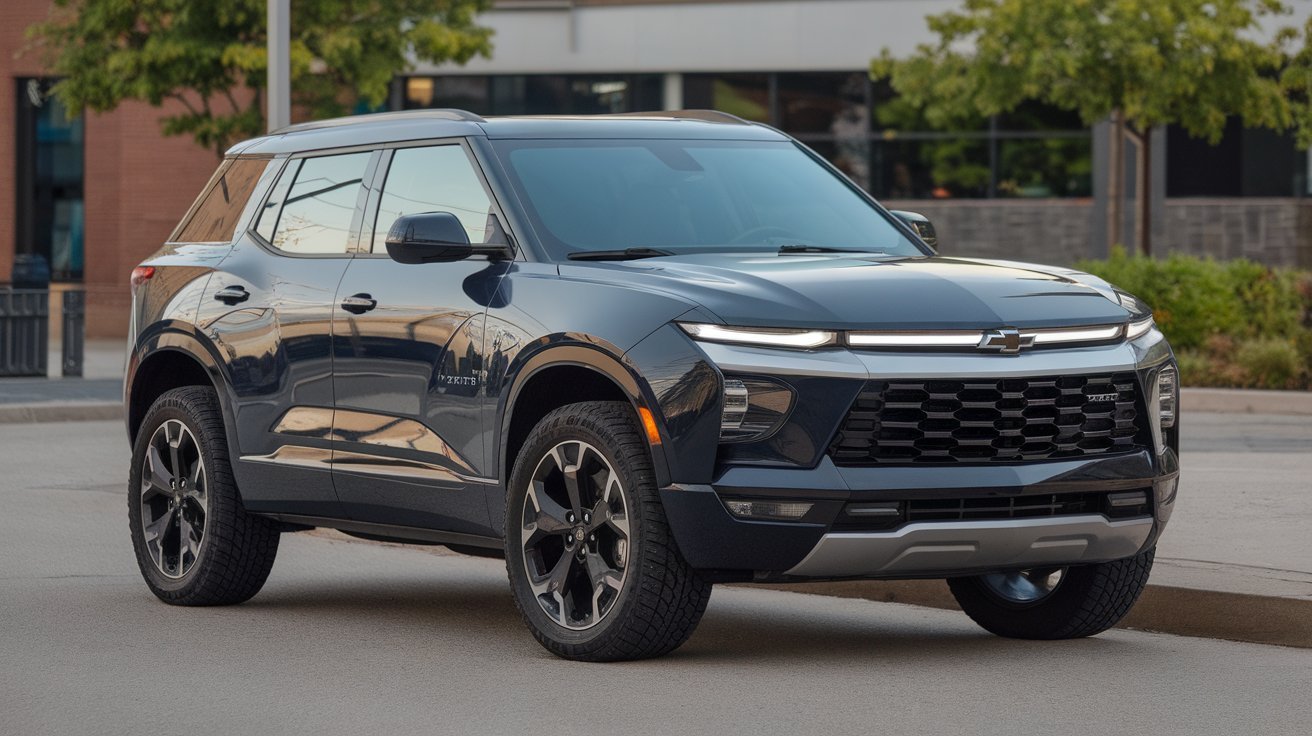
The phrase Chevrolet hybrid SUV can be confusing in 2026 because Chevrolet offers several SUVs with efficient gasoline powertrains and a growing selection of all-electric SUVs, but its current U.S. lineup does not include a conventional hybrid SUV. Chevrolet’s own SUV information states that Chevy does not currently manufacture hybrid SUVs, while its electrified range includes models such as the Equinox EV and Blazer EV.
That distinction matters for shoppers searching for a Chevrolet vehicle that can reduce gasoline use. A hybrid SUV combines a gasoline engine with an electric motor and battery, whereas an EV operates entirely on electricity. Chevrolet’s 2026 lineup therefore gives buyers a choice between efficient gasoline SUVs and fully electric SUV alternatives rather than a traditional Chevy-badged hybrid SUV.
Does Chevrolet Make a Hybrid SUV in 2026?
As of the 2026 model year, Chevrolet does not offer a conventional hybrid SUV in its U.S. SUV lineup. Chevrolet’s current SUV information specifically says that Chevy does not currently make hybrid SUVs and instead highlights its electric choices, including the Bolt, Blazer EV, and Equinox EV.
This is an important point for anyone searching for a Chevrolet hybrid SUV 2026. A search may produce older articles, rumors, international-market information, or comparisons with competitors that have conventional hybrid SUVs. Those references should not automatically be interpreted as evidence that a current 2026 Chevrolet hybrid SUV is available in the United States.
Chevrolet’s current lineup includes gasoline-powered SUVs such as the Trailblazer, Trax, Equinox, Blazer, Traverse, Tahoe, and Suburban, alongside its electric SUV offerings.
For shoppers specifically seeking hybrid technology, the closest Chevrolet alternatives depend on whether the priority is fuel efficiency, electric driving, cargo space, or avoiding gasoline altogether.
Chevrolet Equinox vs. a Traditional Hybrid SUV
The 2026 Chevrolet Equinox is an important model to consider when researching an efficient Chevrolet SUV. However, it is not a hybrid. Chevrolet equips the 2026 Equinox with a 1.5-liter turbocharged gasoline engine producing 175 horsepower. Available all-wheel drive provides additional traction, and the SUV can tow up to 1,500 pounds when properly equipped.
Official Chevrolet fuel-economy information lists the 2026 Equinox at 22 mpg city and 29 mpg highway in its published gasoline lineup.
The Equinox also emphasizes practicality. It offers up to 63.5 cubic feet of maximum cargo volume, a 60/40 split-folding rear seat, and hidden storage beneath the rear cargo floor. Technology includes an 11.3-inch infotainment touchscreen, an 11-inch driver information display, Google built-in, wireless Apple CarPlay and Android Auto compatibility, and available driver-assistance features.
Consequently, the Equinox can be relevant to shoppers who want an efficient everyday Chevrolet SUV but do not specifically require a gasoline-electric hybrid system.
Chevrolet Equinox EV: The Electric Alternative
For shoppers who specifically want electrification, the 2026 Chevrolet Equinox EV is a more direct alternative to the idea of a Chevrolet hybrid SUV. Unlike a hybrid, the Equinox EV is fully electric, meaning it does not use a gasoline engine as part of its normal propulsion system.
Chevrolet lists the 2026 Equinox EV with an EPA-estimated range of up to 319 miles in its published fuel-economy and EV information. The company also says DC fast charging can provide approximately 80 miles of range in 10 minutes, depending on the vehicle configuration and charging conditions.
The Equinox EV can therefore appeal to drivers who want to move beyond gasoline completely rather than combine gasoline and electric propulsion.
This difference is important when comparing a hybrid SUV with an electric SUV. A hybrid can be refueled at a conventional gas station and typically uses its battery and electric motor alongside the gasoline engine. An EV relies on charging instead of gasoline. The two technologies address efficiency in different ways.
Chevrolet Blazer and Blazer EV
The 2026 Chevrolet Blazer provides another gasoline-powered SUV option. Chevrolet lists its standard 2.0-liter turbocharged engine at 228 horsepower and 258 lb.-ft. of torque, with front-wheel drive standard. Its published standard fuel economy is 22 mpg city, 29 mpg highway, and 25 mpg combined for the standard powertrain.
The Blazer EV, meanwhile, is a completely electric model rather than a hybrid. Chevrolet lists the 2026 Blazer EV with an EPA-estimated range of up to 312 miles for the SS with all-wheel drive in its published information. The model also offers features such as Regen on Demand and One Pedal Driving.
This gives Chevrolet shoppers two distinct approaches: the gasoline Blazer for conventional refueling and the Blazer EV for fully electric driving.
Larger Chevrolet SUVs and Fuel Efficiency
Drivers who need substantial passenger and cargo capacity may consider the Chevrolet Tahoe or Suburban, but neither is a conventional hybrid SUV in the 2026 U.S. lineup.
The 2026 Tahoe is available with gasoline and diesel powertrains. Chevrolet’s published figures show the available 3.0-liter Duramax turbo-diesel at 22 mpg city and 26 mpg highway in a 2WD configuration. The 5.3-liter V8 is listed at 15 mpg city and 20 mpg highway in the corresponding 2WD configuration.
The Tahoe also offers substantial utility. Chevrolet lists seating for up to nine passengers and maximum cargo volume of 122.7 cubic feet, depending on configuration.
The Suburban is even larger, with Chevrolet listing up to 144.5 cubic feet of maximum cargo volume.
For someone searching for a hybrid because of fuel economy, the diesel Tahoe may be worth understanding, but diesel is not hybrid technology. It still uses an internal-combustion engine rather than the gasoline-electric system associated with a conventional hybrid.
Chevrolet Hybrid SUV vs. Chevrolet EV: Which Technology Is Different?
The biggest distinction is the propulsion system.
A conventional hybrid SUV uses two sources of propulsion: an internal-combustion engine and an electric motor powered by a battery. Depending on the system, the vehicle can use electric power during certain driving conditions and recover energy during braking.
A plug-in hybrid adds a larger battery that can generally be charged externally and can provide a longer electric-driving portion before the gasoline engine becomes necessary.
A battery-electric SUV, such as the Equinox EV or Blazer EV, does not use a gasoline engine for propulsion. It depends on electricity stored in its battery and must be recharged.
For 2026 Chevrolet shoppers, this means the question is not simply whether a vehicle is “electric.” We should determine whether we want gasoline efficiency, hybrid operation, plug-in capability, or fully electric driving.
Frequently Asked Questions About Chevrolet Hybrid SUVs
Does Chevrolet make a hybrid SUV in 2026?
Chevrolet’s current U.S. information states that Chevy does not currently offer hybrid SUVs. Its electrified SUV lineup instead includes fully electric models such as Equinox EV and Blazer EV.
Is the 2026 Equinox a hybrid?
No. The 2026 Chevrolet Equinox is gasoline-powered, using a 1.5-liter turbocharged engine. Chevrolet lists it at 22 mpg city and 29 mpg highway in its published fuel-economy information.
Is the Equinox EV a hybrid?
No. The Equinox EV is fully electric. Chevrolet lists an EPA-estimated range of up to 319 miles for the 2026 model in its published information.
Is the Chevy Blazer EV a hybrid?
No. The Blazer EV is an all-electric SUV, not a gasoline-electric hybrid. Chevrolet lists an EPA-estimated range of up to 312 miles for the specified 2026 configuration.
What is the most fuel-efficient 2026 Chevrolet SUV?
Fuel economy depends on the model and configuration. Chevrolet’s published gasoline figures list the 2026 Trailblazer at 29 mpg city and 33 mpg highway, while the Trax is listed at 28/32 mpg and Equinox at 22/29 mpg.
Is the Chevy Tahoe a hybrid?
No. The 2026 Tahoe uses gasoline or an available 3.0-liter Duramax diesel powertrain rather than a conventional hybrid system.
Conclusion
The search for a Chevrolet hybrid SUV in 2026 requires an important distinction between hybrid, gasoline, diesel, and electric vehicles. Chevrolet’s current U.S. SUV lineup does not include a conventional hybrid SUV, but the company does offer several gasoline SUVs and an expanding selection of fully electric vehicles.
For buyers wanting a conventional Chevrolet SUV, the Equinox, Trailblazer, Trax, Blazer, Traverse, Tahoe, and Suburban cover different size and capability requirements. For drivers specifically seeking electric propulsion, the Equinox EV and Blazer EV provide alternatives without a gasoline engine.
Understanding this difference makes it easier to research the right Chevrolet vehicle. A hybrid SUV and an electric SUV are not interchangeable terms, and the best match depends on whether the priority is gasoline convenience, lower fuel consumption, electric range, charging access, passenger space, or towing capability.
Blog
2026 Honda CR-V Hybrid Sport Touring: Complete Guide to Features, Performance, Technology, and Value
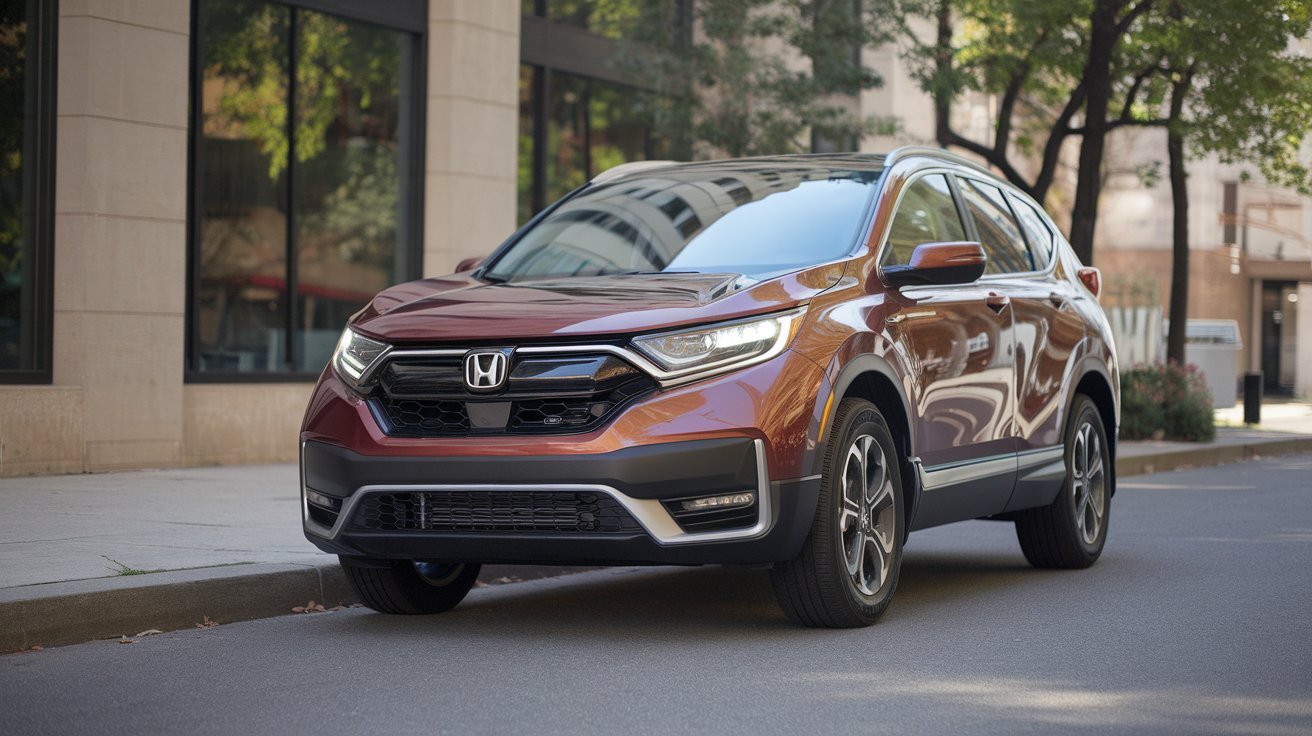
The 2026 Honda CR-V Hybrid Sport Touring stands at the top of the CR-V lineup, combining advanced hybrid technology, premium comfort, modern styling, and impressive fuel efficiency. As Honda’s flagship CR-V trim, it is designed for drivers who want a practical SUV without sacrificing luxury features and advanced technology.
The CR-V has long been one of the best-selling compact SUVs in North America, and the 2026 model continues that tradition with refined engineering, enhanced connectivity, and a highly efficient hybrid powertrain. For families, commuters, and adventure seekers alike, the 2026 Honda CR-V Hybrid Sport Touring delivers a well-rounded driving experience that remains competitive in a crowded SUV market. According to Honda’s official specifications, the Sport Touring Hybrid features a 204-horsepower two-motor hybrid powertrain, standard Real Time AWD, and numerous premium upgrades.
The hybrid powertrain is engineered to provide smooth operation while maximizing fuel economy. Honda’s latest-generation hybrid technology helps drivers reduce fuel consumption without compromising performance. The hybrid models also benefit from substantial torque output, making city driving and highway merging feel effortless.
The Sport Touring Hybrid includes:
- 204-hp hybrid powertrain
- Real Time AWD with Intelligent Control System
- 5-mode drive system
- Smooth electric-assisted acceleration
- Excellent fuel economy ratings
- Regenerative braking technology
Honda’s hybrid engineering continues to make the CR-V one of the most attractive options in the compact SUV segment.
Premium Exterior Styling and Design
The 2026 Honda CR-V Hybrid Sport Touring features an upscale appearance that distinguishes it from lower trims. Honda combines sporty design elements with premium finishes to create a sophisticated look.
Exterior highlights include:
- 19-inch gloss-black alloy wheels
- Gloss-black exterior accents
- Roof rails
- Dual exhaust finishers
- Full LED lighting system
- Hands-free power tailgate
- Rain-sensing windshield wipers
Honda’s modern styling gives the SUV a confident road presence while maintaining the practicality that CR-V owners expect. The sleek body lines, bold front fascia, and distinctive LED lighting contribute to a refined and contemporary appearance.
The Sport Touring trim also benefits from exclusive styling details that enhance its premium positioning within the lineup.
Luxury Interior Comfort and Passenger Space
Inside, the 2026 Honda CR-V Hybrid Sport Touring offers a comfortable and upscale cabin designed for everyday usability and long-distance travel.
Premium interior features include:
- Leather-trimmed seats
- Orange contrast stitching
- Heated front seats
- Heated leather-wrapped steering wheel
- Power-adjustable front seats
- Driver memory seating
- Dual-zone automatic climate control
- Power moonroof
The cabin is spacious, with generous headroom and legroom for both front and rear passengers. Honda’s thoughtful interior design ensures that passengers enjoy a comfortable ride regardless of trip length.
The rear seats fold flat to expand cargo capacity, making the CR-V highly versatile for groceries, luggage, sports equipment, and family travel. Cargo space remains one of the strongest selling points of the CR-V platform.
Advanced Technology and Connectivity Features
Technology is a major strength of the 2026 Honda CR-V Hybrid Sport Touring. Honda has equipped this flagship trim with advanced infotainment and connectivity systems that enhance convenience and entertainment.
Key technology features include:
- Google Built-In
- Wireless Apple CarPlay
- Wireless Android Auto
- Wireless phone charging
- 10.2-inch digital instrument cluster
- 9-inch touchscreen display
- Bluetooth connectivity
- Wi-Fi hotspot capability
One standout feature is Google Built-In, which integrates navigation, voice controls, and connected services directly into the vehicle’s system. This provides a more seamless digital experience for drivers and passengers.
The intuitive interface helps reduce distractions while keeping drivers connected on the road.
Bose Premium Audio and Entertainment Experience
For music lovers, the 2026 Honda CR-V Hybrid Sport Touring includes one of the most impressive sound systems available in the compact SUV segment.
The vehicle features a Bose premium audio system with 12 speakers and a subwoofer, delivering rich sound quality throughout the cabin.
Entertainment features include:
- Bose premium sound system
- 12 speakers
- Integrated subwoofer
- HD Radio
- SiriusXM compatibility
- Wireless smartphone integration
Whether listening to music, podcasts, or navigation instructions, the audio system provides a premium listening experience for every occupant.
Honda Sensing Safety and Driver Assistance Systems
Safety remains a priority in the 2026 Honda CR-V Hybrid Sport Touring. Honda includes its comprehensive Honda Sensing suite of driver-assistance technologies as standard equipment.
Important safety features include:
- Collision Mitigation Braking System
- Adaptive Cruise Control
- Lane Keeping Assist System
- Road Departure Mitigation
- Blind Spot Information System
- Cross Traffic Monitor
- Traffic Sign Recognition
- Parking Sensors
- Driver Attention Monitor
These technologies help improve awareness, reduce driver fatigue, and provide additional confidence during daily driving. Honda’s advanced safety systems continue to be a major reason why many buyers choose the CR-V.
Why the 2026 Honda CR-V Hybrid Sport Touring Stands Out
The 2026 Honda CR-V Hybrid Sport Touring successfully combines efficiency, technology, comfort, and practicality into a single package. Buyers receive the benefits of a fuel-efficient hybrid system while enjoying premium features typically found in more expensive luxury SUVs.
Major advantages include:
- 204-horsepower hybrid performance
- Standard all-wheel drive
- Excellent fuel economy
- Premium Bose audio
- Google Built-In technology
- Comprehensive safety systems
- Comfortable and spacious interior
- Strong resale value
With a starting MSRP around $42,550, the Sport Touring Hybrid represents Honda’s most advanced CR-V offering and delivers strong value within the competitive compact SUV market.
Conclusion
The 2026 Honda CR-V Hybrid Sport Touring is a compelling choice for drivers seeking a premium compact SUV with exceptional efficiency and advanced technology. Its 204-horsepower hybrid powertrain, standard Real Time AWD, luxury-focused interior, advanced connectivity features, and extensive safety technologies make it one of the most well-rounded vehicles in its class.
Whether used for daily commuting, family transportation, road trips, or weekend adventures, the 2026 CR-V Hybrid Sport Touring offers the versatility, comfort, and reliability that have made the CR-V a leader in the SUV segment for years. Its combination of innovation and practicality ensures that it remains a top contender among modern hybrid SUVs in 2026.

Chevrolet Hybrid SUV: 2026 Guide to Chevy Hybrid and Electric SUV Options

Charley Harper Artist: Life, Style, Wildlife Art, and Legacy in 2026

2026 F150: Complete Guide to Engines, Towing, Trims, Features, and Capability

Eric Ritchson: Biography, Career, Movies, TV Shows, Fitness Journey, and Personal Life

Who Is Holly Revord? Everything About Raegan Revord’s Mother

Philip Alan Hosterman: Biography, Career, Family, Achievements, and Lasting Legacy
-
 Celebrity3 months ago
Eric Ritchson: Biography, Career, Movies, TV Shows, Fitness Journey, and Personal Life
-
 Celebrity3 months ago
Who Is Holly Revord? Everything About Raegan Revord’s Mother
-
 Celebrity3 months ago
Philip Alan Hosterman: Biography, Career, Family, Achievements, and Lasting Legacy
-

 Celebrity3 months ago
Who Is Antonimar Mello? All About Lisa Lisa’s Former Husband
-

 Technology2 months ago
Almawadahit.com Technology: A Complete Guide to Digital Innovation, AI Tools, Image Optimization, and Smart Online Solutions (2026)
-

 Business3 months ago
UCAS Login: The Complete Guide to Accessing Your University Application
-

 Fashion3 months ago
FitFlop: The Ultimate Guide to Comfortable and Stylish Footwear
-

 Sports2 months ago
Zuyomernon System: A Complete Guide to Features, Benefits, Applications, and Future Potential